Algorithm Adjustments Transforming Reward Systems in Connected Multi-Table Gaming Networks
Greta Koch · Aug 11, 2026
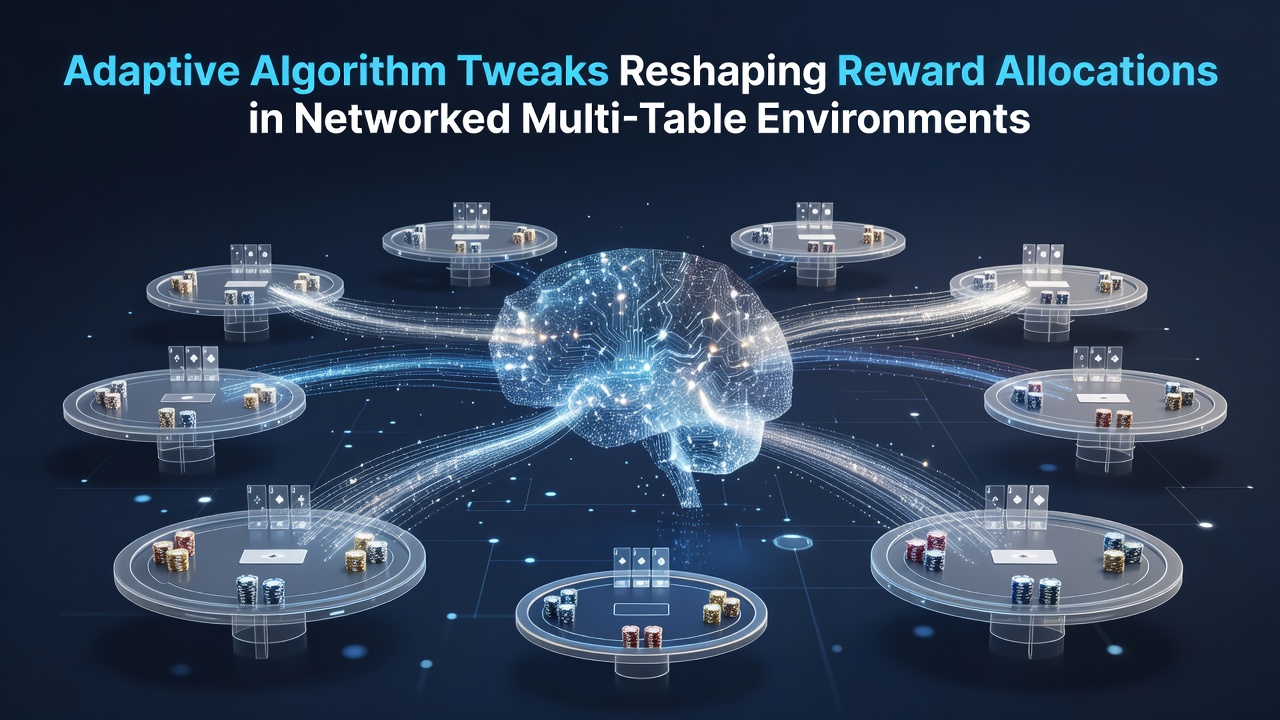
Algorithm Adjustments Transforming Reward Systems in Connected Multi-Table Gaming Networks
Networked multi-table environments rely on adaptive algorithms that monitor player behavior across distributed platforms and adjust reward allocations in real time, while data streams from global users feed into centralized systems that recalibrate bonus structures based on session patterns and table occupancy rates. These adjustments occur continuously as operators integrate inputs from multiple game instances running simultaneously on mobile and desktop networks.
Data Integration Across Distributed Tables
Operators collect player preference data from simultaneous sessions at virtual blackjack, roulette, and poker tables, then route that information through edge computing nodes positioned in regional data centers, and the resulting models update reward tiers without requiring manual intervention from platform administrators. Studies conducted by research institutions in North America show that such systems process over 2 million data points per hour during peak periods, which allows for precise allocation of free play credits and loyalty points tied directly to observed engagement metrics.
August 2026 brought expanded deployment of these algorithms in several major markets as new regulatory frameworks in Canada and parts of Europe began requiring transparent reporting on automated reward distribution methods. Figures from industry associations indicate that platforms adopting these tweaks reported measurable shifts in average session duration, with some networks recording increases of 12 to 18 percent in user retention after initial rollout phases.
Real-Time Recalibration Mechanisms
Adaptive tweaks function by analyzing variables such as table wait times, bet frequency, and cross-device activity, then applying weighted formulas that redistribute available reward pools among active participants. One documented case involved a North American operator that linked player location data with historical spending records to modify bonus eligibility windows, resulting in more targeted offers during high-traffic evening hours across multiple time zones.
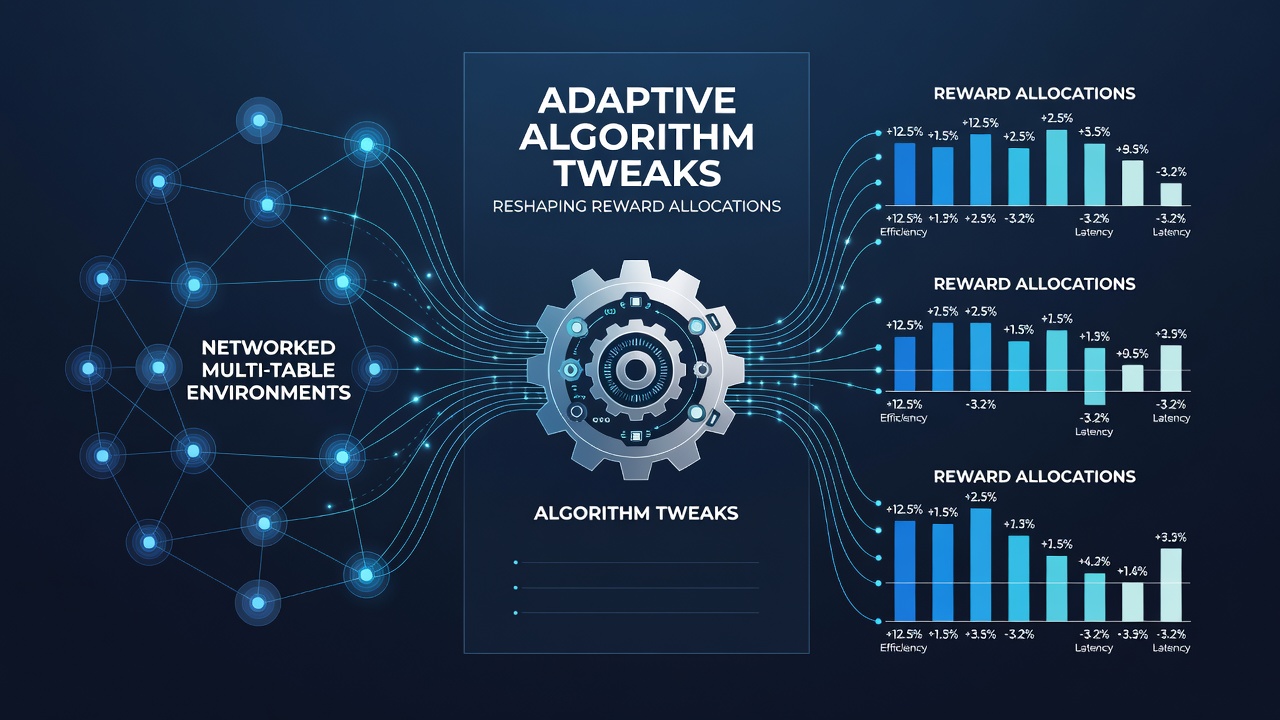
Researchers at European academic centers have examined how these recalibrations interact with geofencing protocols, noting that reward values often scale upward when users remain within approved jurisdictions for extended periods. Data from those examinations reveals correlations between algorithm-driven changes and shifts in game selection patterns, particularly when players move between table types within the same networked session.
Impact on Player Behavior Patterns
Observations collected by gaming trade groups demonstrate that reward allocations adjusted through adaptive methods influence how participants distribute their activity across available tables. In one instance, platforms observed increased movement toward lower-stakes environments when algorithms temporarily elevated point multipliers in those areas to balance overall table loads. Such responses occur because the systems prioritize equilibrium in participation rates rather than uniform distribution of incentives.
Reports issued by the Nevada Gaming Control Board in mid-2026 highlighted the role of these algorithms in maintaining compliance with responsible gaming standards, as automated adjustments can cap reward exposure for identified high-risk accounts while still supporting broader network stability. External analyses from Australian research bodies further indicate that similar implementations reduced instances of clustered high-volume play during promotional windows by spreading incentives more evenly across user segments.
Technical Infrastructure Supporting Adjustments
Cloud-based architectures enable the rapid propagation of algorithm updates, allowing changes made in one regional cluster to influence reward calculations across interconnected environments within seconds. This setup relies on secure data pipelines that transmit anonymized preference signals without exposing individual account details, and it supports scalability as operator networks expand to additional jurisdictions.
Industry reports from the Gaming Standards Association note that integration of these infrastructures has accelerated since 2025, driven by demand for seamless experiences when users transition between mobile and desktop interfaces during ongoing multi-table sessions. The technical demands include maintaining low-latency connections while handling variable data volumes that spike during major sporting events or seasonal promotions.
Conclusion
Adaptive algorithm adjustments continue to influence reward allocation strategies in networked multi-table settings by processing interconnected data flows and applying targeted modifications across global platforms. Evidence from regulatory filings and academic reviews points to ongoing refinements in how operators balance participation incentives with system efficiency, and further developments appear likely as networks incorporate additional variables from emerging device types and regulatory requirements.