Biometric Access Controls Revolutionize Live Dealer Sessions in Mobile Gaming Interfaces
Rafael Jung · Aug 16, 2026
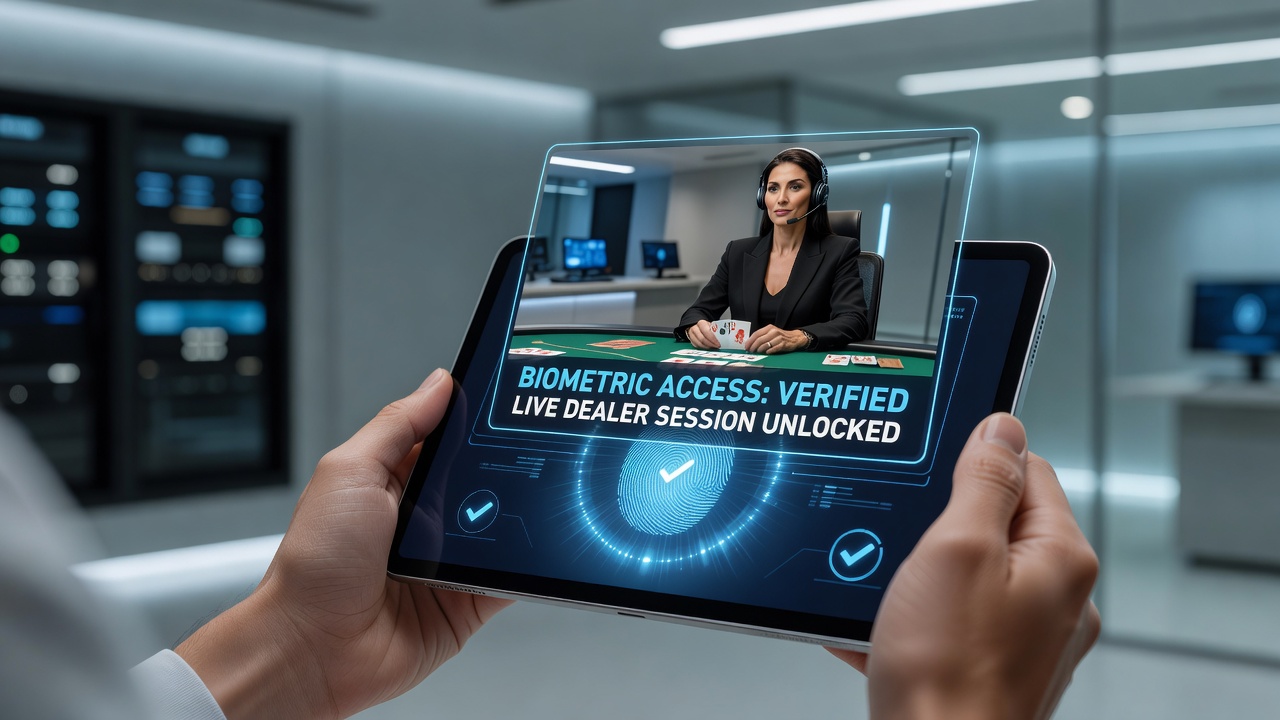
Biometric Access Controls Revolutionize Live Dealer Sessions in Mobile Gaming Interfaces
Biometric verification systems now integrate facial recognition, fingerprint scanning, and voice analysis directly into portable gaming interfaces, which allows operators to replace traditional password-based logins with real-time identity confirmation during live dealer sessions. These systems process unique physiological traits through device cameras and sensors, then cross-reference them against encrypted player profiles stored on secure servers, while maintaining compliance with data protection standards across multiple jurisdictions.
Data from industry reports indicates that adoption rates for biometric entry protocols in mobile live dealer environments rose steadily through mid-2026, particularly in markets where regulators require continuous identity checks to prevent unauthorized access. Operators report that session initiation times dropped by an average of 40 percent when players used fingerprint or facial scans instead of entering credentials, because the technology authenticates users within seconds and simultaneously verifies location and device integrity.
Technical Integration Across Portable Platforms
Developers embed biometric modules into both native apps and browser-based interfaces, which means players on smartphones and tablets encounter the same verification flow regardless of operating system. The process begins when a user selects a live dealer table, at which point the system prompts a quick scan that captures multiple data points and transmits them through end-to-end encrypted channels. Because these checks occur at the start of each session and at random intervals during extended play, they reduce opportunities for account sharing or credential theft that previously affected multi-device environments.
Observers note that edge computing capabilities on modern portable devices handle much of the initial biometric processing locally, which cuts latency and keeps personal data from leaving the handset until necessary. This architecture supports seamless transitions between Wi-Fi and cellular networks without interrupting live dealer streams, while still logging every verification event for audit purposes.
Regulatory Alignment and Security Standards
Regulatory bodies in regions such as New Jersey and several Canadian provinces have updated technical standards to recognize biometric methods as acceptable forms of ongoing identity assurance. These updates followed pilot programs that demonstrated lower rates of account takeover compared with earlier two-factor authentication approaches. According to findings published by the European Gaming and Betting Association, biometric systems also help operators meet stricter responsible gambling requirements by linking each verified session to a single, confirmed individual.
August 2026 marked the rollout of updated certification guidelines in several European markets that explicitly reference liveness detection features, which prevent static image or video spoofing attempts during facial scans. Operators that implemented these features early reported fewer compliance incidents during routine inspections, because automated logs captured every authentication attempt with timestamps and device identifiers.
Impact on Player Experience and Operational Efficiency
Players gain quicker entry to live dealer tables once initial enrollment completes, while operators benefit from reduced support tickets related to forgotten passwords or locked accounts. Research conducted by university-affiliated gaming technology centers shows that biometric verification correlates with longer average session durations, because friction at login points decreases and players remain focused on table interactions rather than re-authentication steps. The same studies recorded measurable declines in chargeback requests tied to disputed transactions, since each session ties directly to a verified biometric profile.
Multi-device synchronization presents another area where biometric controls add value. When a player switches from phone to tablet mid-session, the system re-verifies identity through the new device without requiring manual re-entry of account details, which preserves game state continuity and prevents duplicate logins that could flag security protocols. This capability proves especially useful during live dealer blackjack or roulette sessions that extend across several hours.
Future Developments in Verification Accuracy
Engineers continue refining algorithms that combine multiple biometric signals, such as pairing facial recognition with behavioral keystroke patterns captured during betting actions. Early test data suggests these layered approaches further lower false rejection rates, which had occasionally frustrated users during initial deployments. Industry associations tracking these metrics expect continued improvement as device hardware advances and machine learning models train on larger anonymized datasets collected under strict consent frameworks.
Conclusion
Biometric verification has shifted from optional enhancement to core infrastructure component for secure access in mobile live dealer environments. The combination of faster authentication, stronger fraud prevention, and regulatory alignment continues to drive implementation across global markets, while ongoing technical refinements address earlier limitations in accuracy and user comfort. As portable devices incorporate more advanced sensors, the scope of these systems will likely expand to cover additional verification points throughout each gaming session.