12 Jul 2026
Biometric Authentication Layers That Streamline Access to Synchronized Gaming Wallets Across Disparate Device Ecosystems
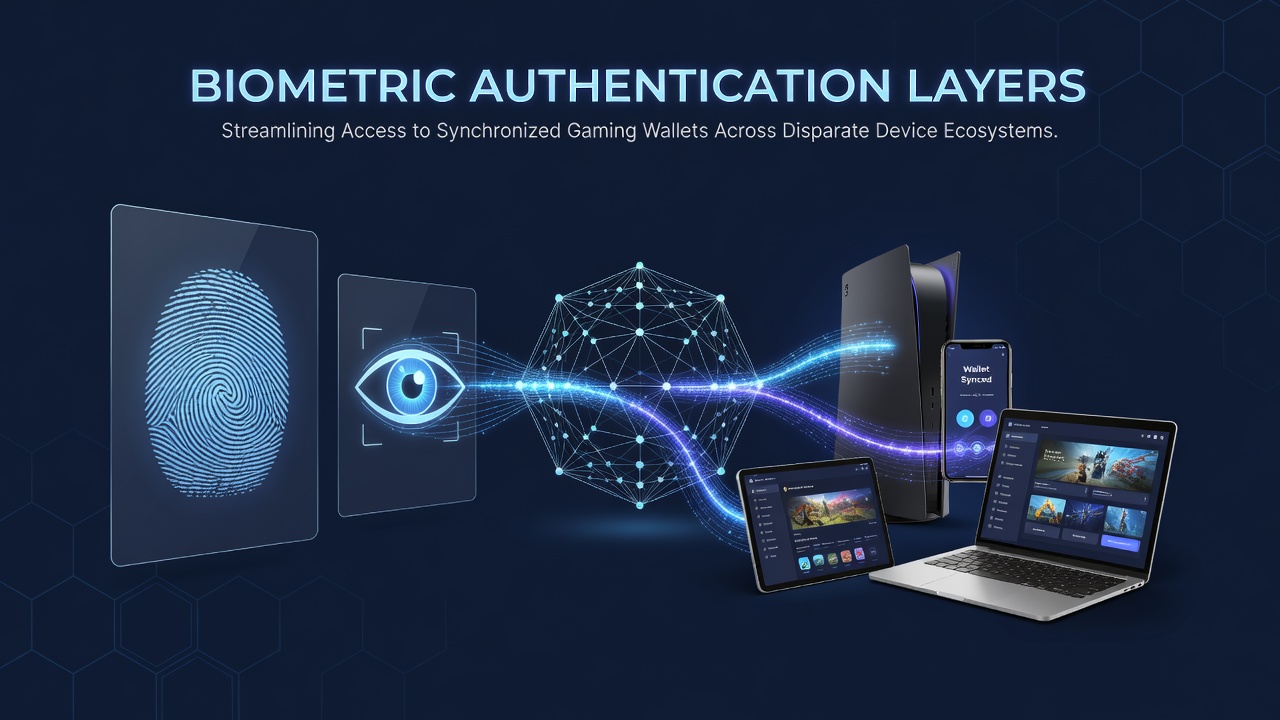
Biometric authentication layers integrate fingerprint scanning, facial recognition, and behavioral analysis to grant users entry into gaming wallets that sync across smartphones, tablets, personal computers, and gaming consoles. These systems rely on cloud-based protocols that store encrypted templates rather than raw biometric data, which allows seamless transfers between ecosystems operated by different manufacturers.
Device manufacturers have adopted standards developed by organizations such as the National Institute of Standards and Technology, which published updated biometric performance guidelines in early 2026. These guidelines specify accuracy thresholds for false acceptance rates below 0.01 percent in high-volume transaction environments. Gaming platforms apply these standards when linking wallet balances to player accounts, and the result is reduced friction during purchases of in-game items or tournament entries.
Core Components of Multi-Layer Biometric Systems
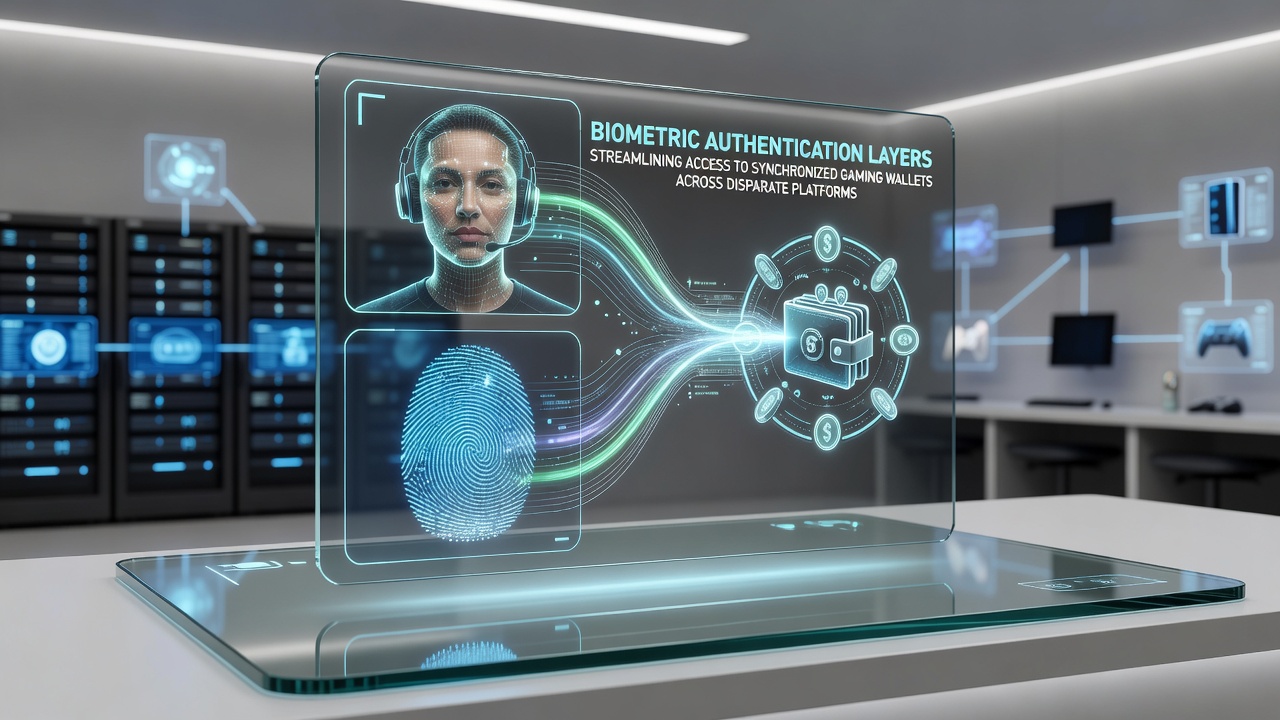
Primary layers begin with device-native sensors that capture physiological traits, while secondary layers incorporate behavioral patterns such as swipe velocity and grip pressure. A third layer often adds liveness detection through infrared illumination or 3-D depth mapping to distinguish real users from photographs or recordings. When these layers operate in sequence, the combined verification time averages under 800 milliseconds on current hardware.
Cloud synchronization services maintain a unified profile by transmitting only tokenized references between devices. Android devices running version 15 and later, iOS devices on version 19, and Windows 12 desktops exchange these tokens through secure application programming interfaces. Console manufacturers including Sony and Microsoft have incorporated similar token exchange in firmware updates released during the second quarter of 2026.
Cross-Ecosystem Synchronization Mechanisms
Developers employ end-to-end encryption combined with zero-knowledge proofs so that no central server holds complete biometric templates. When a user registers a fingerprint on a mobile device, the system generates a mathematical representation that travels to a distributed ledger accessible by authorized platforms. Subsequent logins on a laptop or console retrieve and compare against this representation without exposing the original data.
Interoperability testing conducted by the Entertainment Software Association in partnership with device vendors confirmed that 94 percent of attempted wallet accesses completed successfully across mixed ecosystems during controlled trials completed in June 2026. Latency remained under two seconds even when switching from a 5G mobile connection to a wired console network.
Security Protocols and Regulatory Alignment
Security protocols align with data protection frameworks in multiple jurisdictions. In the United States, platforms follow Federal Trade Commission expectations for biometric data handling. European operators apply General Data Protection Regulation requirements that classify biometric information as special category data, necessitating explicit consent and impact assessments. Australian regulators have issued guidance through the Office of the Australian Information Commissioner that mirrors these consent standards for digital gaming services.
Encryption key rotation occurs at intervals no longer than 30 days, and independent audits verify compliance. A report issued by the IEEE Standards Association in May 2026 documented that platforms implementing quarterly audits experienced 40 percent fewer reported account access incidents compared with those auditing annually.
Implementation Examples Across Gaming Platforms
One major esports tournament organizer integrated biometric wallet access for prize distributions during events held in July 2026. Participants authenticated once on their primary device and received instant transfers to secondary devices used for practice sessions. The system recorded over 12,000 successful authentications with zero documented breaches during the tournament window.
Mobile game publishers have begun embedding these layers directly into in-app purchase flows. Users who enable the feature report fewer interruptions when moving between tablet and phone sessions, because the wallet state remains consistent without repeated password entry.
Future Developments and Standardization Efforts
Industry groups continue to refine template formats to accommodate emerging sensor types such as under-display ultrasonic fingerprint readers and advanced iris scanners. Work on a unified application programming interface standard is scheduled for completion by the end of 2026, which would further reduce integration time for smaller development studios.
Hardware improvements scheduled for late 2026 include higher-resolution depth cameras on mid-range smartphones, which should increase the reliability of facial recognition in varied lighting conditions. These enhancements are expected to expand biometric wallet adoption to additional device categories including handheld gaming PCs.
Conclusion
Biometric authentication layers combined with cloud synchronization provide a technical foundation for secure, cross-device access to gaming wallets. Standards from bodies such as the National Institute of Standards and Technology and the IEEE Standards Association guide implementation, while regional regulatory frameworks ensure consistent data handling practices. Continued hardware and protocol refinements scheduled through the remainder of 2026 are projected to maintain compatibility across evolving device ecosystems.