14 Jun 2026
Biometric Integration Patterns Reshaping Identity Verification Across Distributed Gaming Networks
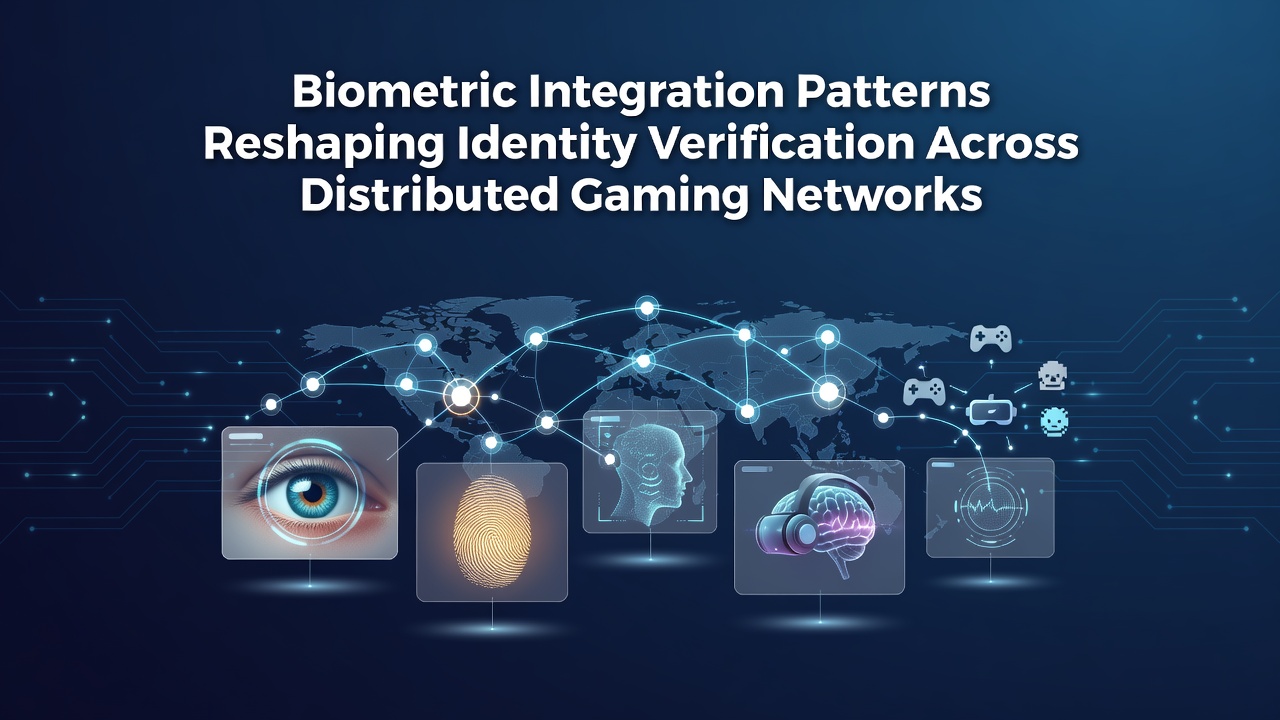
Distributed gaming networks operate across multiple servers and geographic regions, which creates ongoing demands for reliable identity verification systems that can function without centralized bottlenecks. Biometric integration patterns have emerged as a key mechanism for addressing these requirements, combining facial recognition, fingerprint analysis, voice matching, and behavioral biometrics to confirm player identities during account creation, login sequences, and transaction approvals.
Research from the National Institute of Standards and Technology indicates that biometric systems reduce unauthorized access incidents by measurable percentages when deployed in networked environments, and gaming operators have adopted these tools to maintain compliance with varying regional regulations. In June 2026 several North American platforms expanded their use of multi-modal biometric checks following updates to interstate gaming compacts that emphasized cross-border player authentication standards.
Core Biometric Patterns in Gaming Contexts
Facial recognition serves as one primary pattern because it allows passive verification through device cameras during live sessions, while fingerprint scanning provides an active alternative that many mobile users already employ for device unlocking. Voice biometrics capture audio samples during gameplay interactions and compare them against stored templates to detect account sharing or proxy usage, and behavioral patterns track mouse movements, keystroke rhythms, and session durations to flag anomalies without requiring explicit user action.
Operators combine these patterns into layered frameworks where initial enrollment might require facial and fingerprint data, yet subsequent verifications rely on behavioral signals to minimize friction. This approach aligns with findings from academic studies on distributed systems that show reduced latency when verification tasks shift from central servers to edge nodes closer to end users.
Adaptation Across Distributed Architectures
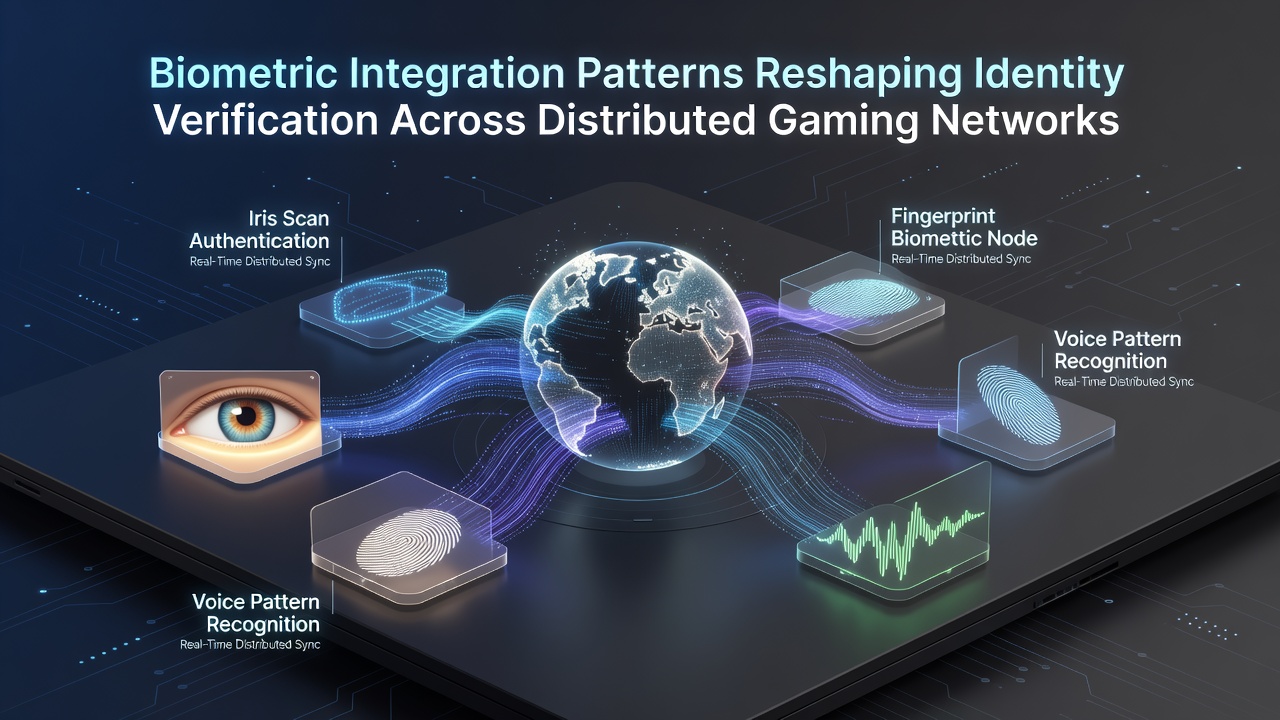
Distributed gaming networks route traffic through cloud instances in different jurisdictions, which means biometric templates must synchronize securely while respecting data localization rules. Edge computing nodes now process initial biometric matches locally before forwarding encrypted confirmations to core databases, a pattern that cuts verification times during peak multiplayer events. Data shows that such decentralization maintains accuracy rates above 98 percent in controlled tests reported by international gaming technology consortiums.
One implementation case involves a European operator that integrated voice and behavioral biometrics across its Asian and South American server clusters, allowing seamless session handoffs when players migrated between regions. The system flags potential mismatches by cross-referencing live data streams against historical profiles stored in redundant repositories, ensuring continuity even during network partitions.
Regulatory and Technical Intersections
Government agencies in multiple regions have issued guidance on biometric data handling that directly affects gaming operators. Australian authorities through the Australian Communications and Media Authority have outlined requirements for consent mechanisms and data retention limits that apply when platforms collect biometric samples for identity checks. Canadian provincial regulators similarly require audit trails for biometric template storage, prompting vendors to adopt encryption standards that allow verification without exposing raw data.
Technical standards bodies have published interoperability frameworks that let different gaming networks exchange verification results without sharing full biometric profiles. These frameworks rely on tokenized representations where a successful match generates a temporary credential valid only for a defined session window, reducing exposure risks across distributed environments.
Operational Impacts on Player Flows
Players experience fewer interruptions during account recovery because biometric patterns replace traditional password resets in many systems. High-volume tournaments now incorporate real-time checks that occur in the background, verifying that registered participants remain the active users throughout extended play periods. Industry reports from the European Gaming and Betting Association note increased adoption of these methods among operators managing multi-jurisdictional player bases.
Network administrators monitor template drift over time because aging biometric data can produce higher false rejection rates, so platforms schedule periodic re-enrollment prompts triggered by usage patterns rather than fixed calendars. This adaptive scheduling keeps verification accuracy stable while limiting unnecessary user interventions.
Conclusion
Biometric integration patterns continue to evolve alongside advances in distributed computing and regulatory expectations, providing gaming networks with tools to verify identities at scale. The combination of multiple biometric modalities with edge processing supports both security objectives and operational continuity across global infrastructures. As platforms refine these systems, the focus remains on maintaining template security, ensuring regional compliance, and delivering consistent verification experiences regardless of where players connect.