Cloud Synchronization Protocols Powering Transitions Between Virtual Blackjack Tables and Sportsbook Dashboards
Otto Günther · Aug 14, 2026
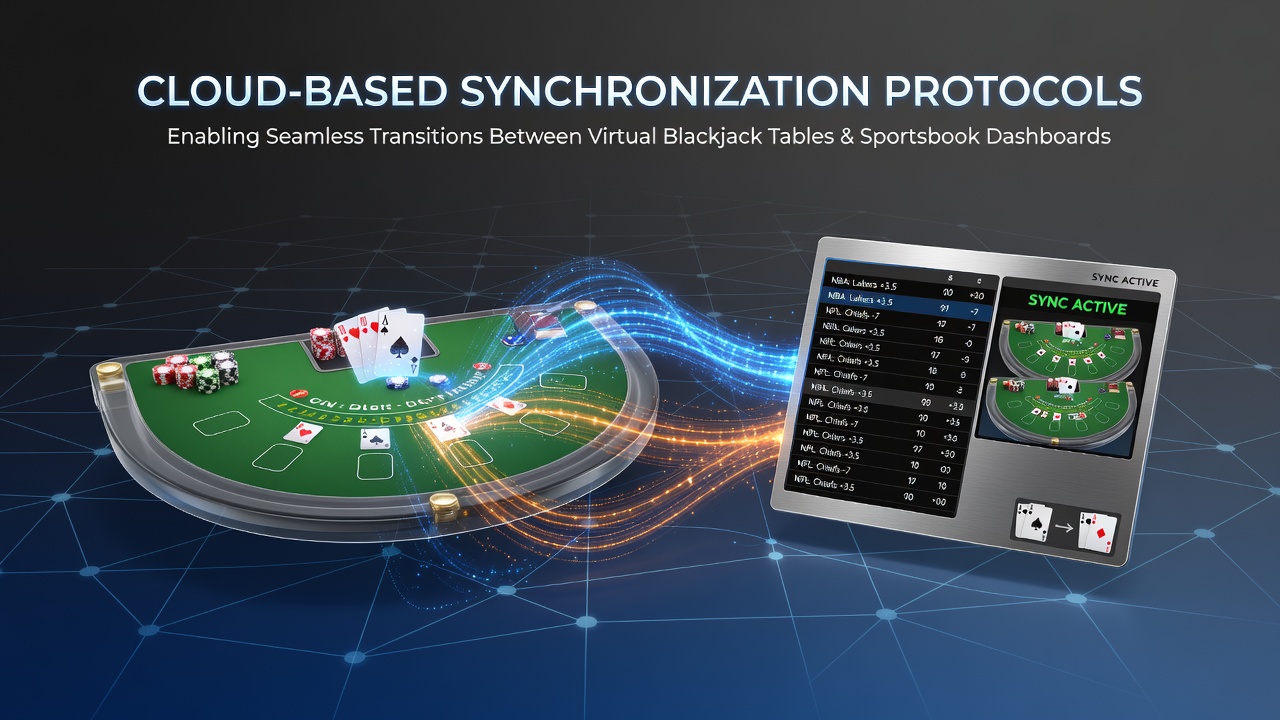
Cloud Synchronization Protocols Powering Transitions Between Virtual Blackjack Tables and Sportsbook Dashboards
Cloud-based synchronization protocols now handle real-time data exchanges that allow players to move from virtual blackjack tables directly into sportsbook dashboards without losing session continuity or balance updates, and operators deploy these systems across distributed servers to maintain consistent states during such shifts.
Core Mechanisms Behind the Protocols
These protocols rely on WebSocket connections combined with cloud storage layers that update player positions, bet histories, adn game states in milliseconds, while event-driven architectures push notifications when a user exits one interface and enters another. Developers integrate APIs from providers like AWS and Microsoft Azure to scale these operations, and data replication across regional nodes ensures low latency even when users switch devices mid-session. Studies from industry reports show that such setups reduce transition times by up to 70 percent compared with earlier server-based methods.
One notable implementation involves token-based authentication that carries over preferences and active wagers, so a player finishing a blackjack hand can open a sportsbook view with the same wallet balance reflected instantly. Engineers optimize these flows through container orchestration tools that distribute workloads, and tests conducted in 2025 confirmed stability during peak traffic periods such as major sports events.
Integration with Virtual Blackjack and Sportsbook Features
Virtual blackjack environments generate continuous streams of card data and player actions that synchronization layers capture and store in cloud databases, whereas sportsbook dashboards pull live odds and event feeds through the same backend structures. When a transition occurs, the protocol merges these datasets so that any pending promotions or loyalty points remain active across both sections. Observers note that this approach supports multi-table play alongside in-play betting, and figures from platform analyses indicate higher user retention when seamless options exist.
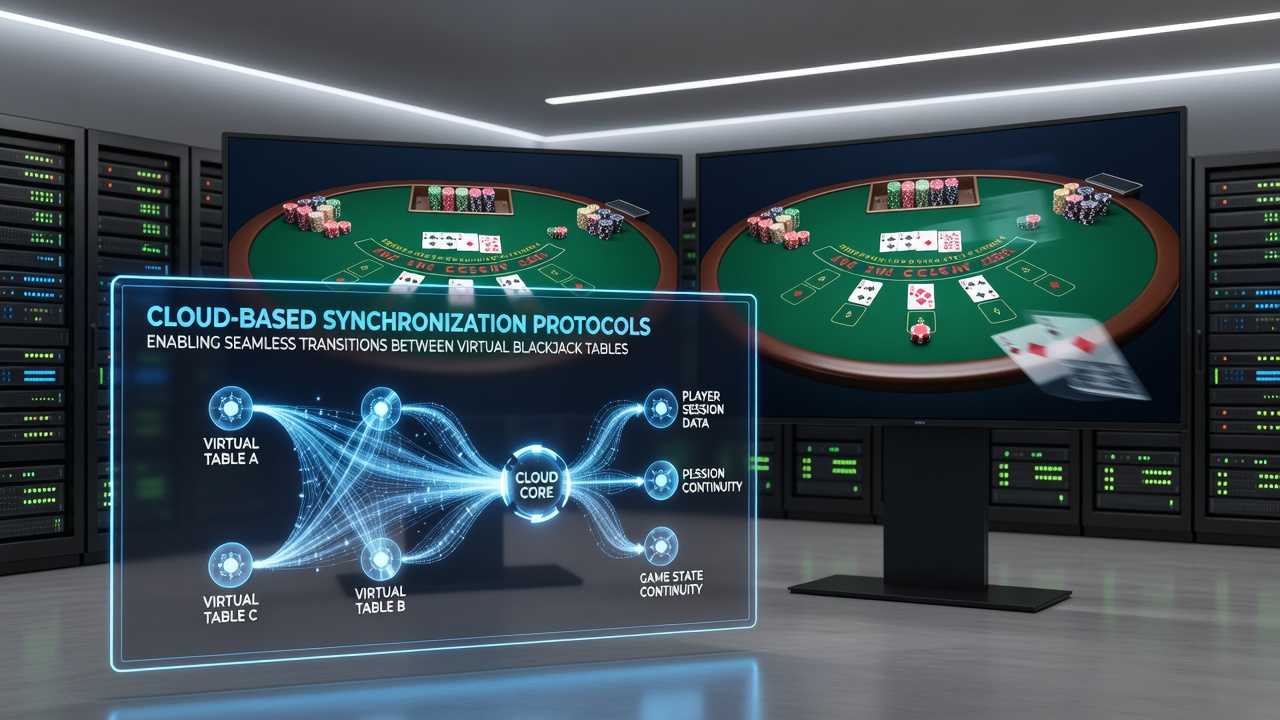
Case examples include operators that rolled out updates in early 2026, where cloud protocols allowed users in North American markets to alternate between table games and football betting lines during the same login. Australian regulatory data from state gaming authorities highlights similar deployments that align with local compliance standards for real-time reporting. These systems also accommodate geolocation checks that activate automatically during switches, maintaining legal access boundaries without interrupting the user flow.
Performance Data and Operational Impacts
Performance metrics collected through 2026 reveal average sync latencies under 200 milliseconds across global networks, and bandwidth usage stays manageable even when thousands of concurrent transitions happen during August events like international tournaments. Research from academic papers on distributed systems points to reduced server load through edge caching techniques that keep frequently accessed game states closer to end users. Industry groups such as the European Gaming and Betting Association have documented efficiency gains in reports that track operator infrastructure costs.
Operators report fewer support tickets related to balance discrepancies after adopting these protocols, since automated reconciliation happens in the background. Data from Canadian provincial oversight bodies shows steady growth in integrated platform usage, with transition features contributing to longer average session durations. Security layers built into the cloud frameworks employ encryption for all data packets, and audits confirm compliance with standards that protect transaction details during handoffs between blackjack and betting modules.
Challenges and Technical Considerations
Network variability still poses occasional hurdles, yet protocol designers mitigate this through fallback mechanisms that queue actions until stable connections resume. Scalability tests performed by research institutions demonstrate that hybrid cloud setups handle spikes effectively, while maintaining data integrity across blackjack outcome logs and sportsbook settlement records. Those who manage large-scale platforms observe that regular protocol updates address emerging compatibility issues with new device operating systems.
Payment processing ties into the same synchronization framework, allowing instant reflection of deposits or withdrawals regardless of the active interface. External sources like the American Gaming Association provide statistics on overall market adoption of such technologies, and similar insights appear in analyses from the European Gaming and Betting Association. These connections keep financial data aligned without requiring separate logins or manual refreshes.
Conclusion
Cloud-based synchronization protocols continue to shape how virtual blackjack tables connect with sportsbook dashboards through reliable data handling and real-time updates. Ongoing developments in 2026 focus on further reducing any remaining friction points, supported by performance data and regulatory frameworks from multiple regions. The result remains a unified environment where players experience continuous access across different gambling formats.