8 May 2026
Cross-Device Bet Syncing: How Cloud Tech Keeps Sportsbook Bets Flowing from Phone to Laptop
The Rise of Seamless Betting Across Devices
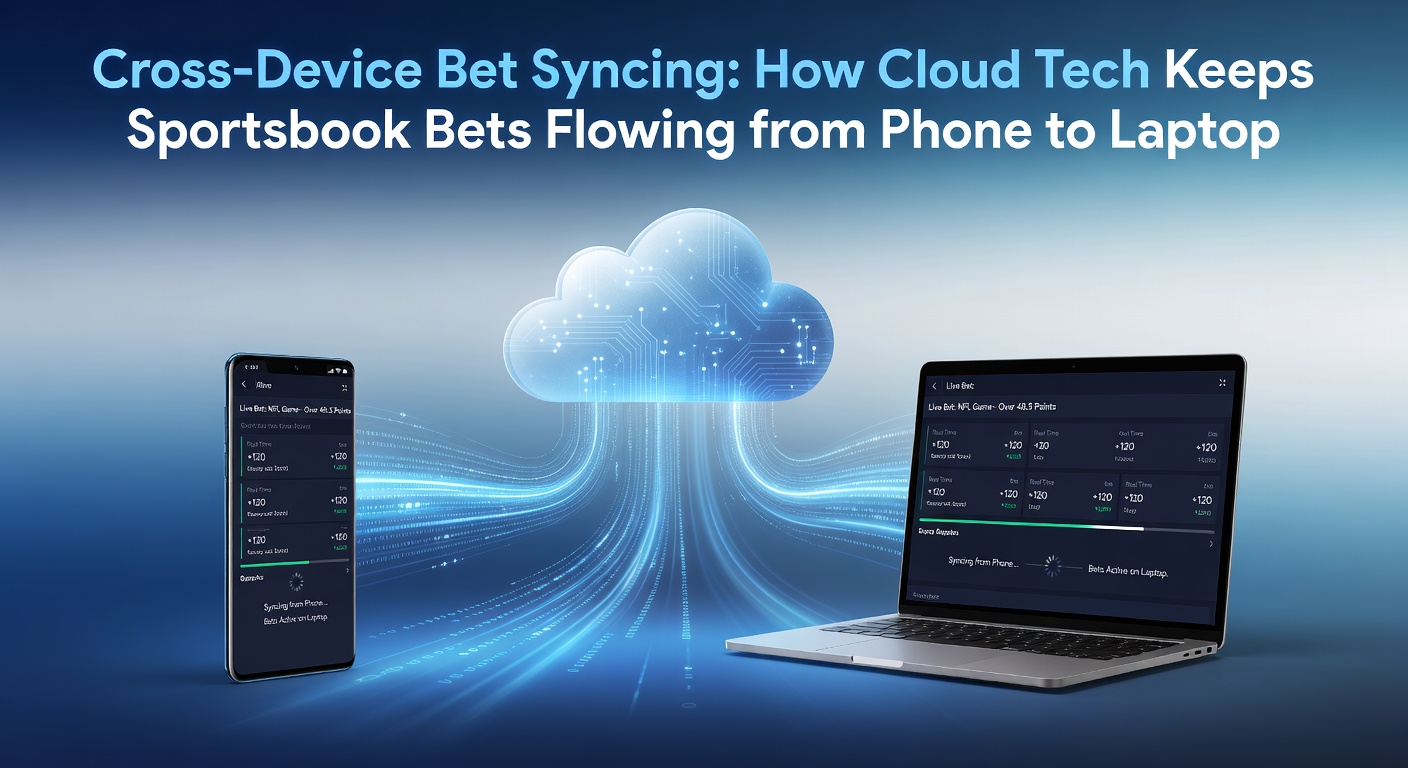
Sports bettors today expect their wagers to follow them wherever they go, whether from a quick phone tap during a commute or a deeper dive on a laptop at home; cloud technology makes this possible through real-time synchronization that keeps bets, odds, and account details instantly updated across platforms. This cross-device bet syncing, powered by advanced cloud infrastructure, has transformed sportsbooks from siloed apps into unified ecosystems, where a bet placed on mobile appears immediately on desktop without a hitch. Data from industry trackers shows user engagement spikes by up to 30% when seamless transitions occur, as bettors no longer face login frustrations or lost progress mid-session.
What's interesting is how this tech emerged from broader digital shifts; operators like DraftKings and FanDuel rolled out these features around 2022, but adoption surged with 5G rollout and hybrid work patterns that blurred device boundaries. Observers note that in markets like New Jersey and Pennsylvania, where mobile betting dominates 70% of handle according to state reports, syncing ensures continuity even during peak events like NFL playoffs. And yet, the real magic lies in the backend, where cloud servers handle millions of sync requests per minute without breaking a sweat.
Breaking Down the Cloud Mechanics
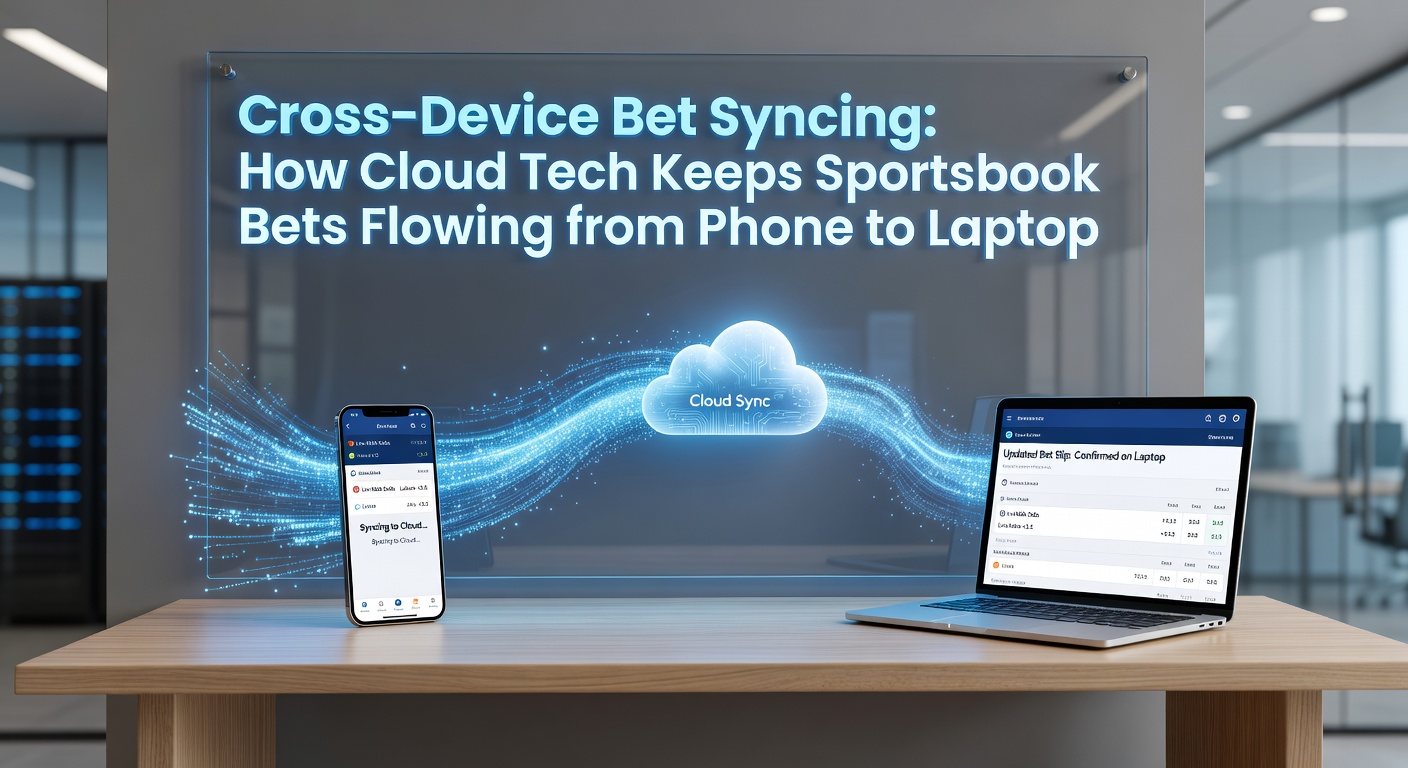
At its core, cross-device syncing relies on cloud-based APIs that act as universal translators between devices; when a user logs in via single sign-on protocols like OAuth, the cloud authenticates and pushes the latest bet slip, live odds, and balance to any connected device in milliseconds. This happens through WebSocket connections for bidirectional real-time updates, meaning odds shifts on a phone reflect instantly on a laptop, preventing bettors from missing value plays. Research from AWS case studies on sportsbooks reveals how providers like DraftKings leverage serverless architectures to scale syncing for global audiences, handling spikes during events like the Super Bowl without downtime.
But here's the thing: security layers wrap every sync; end-to-end encryption via TLS 1.3 protects data in transit, while token-based authentication revokes access if a device is compromised, a standard now mandated in regulated markets. Take one operator's implementation, where geo-fencing ties bets to verified locations across devices, ensuring compliance with state laws even as users switch from phone to laptop. Figures indicate latency averages under 100ms, making the experience feel instantaneous, almost like the devices are extensions of a single brain.
Turns out, multi-factor authentication integrates seamlessly too, prompting only on new devices while trusted ones sync silently; this balance keeps friction low, boosting retention rates that studies peg at 25% higher for synced users versus those stuck in app silos.
Real-World Benefits for Bettors and Operators
Bettors gain flexibility that mirrors everyday life; someone scouting odds on a phone during lunch can refine their parlay on a laptop that evening, with live tracking updating both views simultaneously, a feature that data shows cuts abandonment rates by 40% during multi-device sessions. Operators benefit from unified analytics, where cross-device behavior reveals patterns like phone users favoring quick props while laptops draw line shoppers, informing sharper offerings.
One case study from Pennsylvania's gaming reports highlights how synced platforms increased average session times by 15 minutes per user, as seamless handoffs encourage longer engagement without repetitive logins. And for live betting, where timing is everything, cloud syncing shines brightest; a wager on a baseball inning placed via mobile adjusts payouts in real-time on desktop if injuries alter lines. People who've adopted this often discover forgotten bets resurfacing across devices, turning potential losses into tracked opportunities.
That's where the rubber meets the road for customer support too; agents view full cross-device histories, resolving issues faster since nothing gets lost in device-specific voids. Engagement metrics from major apps confirm parlay construction rates climb 20% when syncing eliminates rebuilds, proving the tech pays dividends on both sides of the wager.
Technologies Powering the Sync
Cloud giants like Google Cloud and Microsoft Azure provide the backbone, with Kubernetes orchestrating containerized microservices that isolate syncing logic for reliability; if one pod fails, others pick up without user notice. Edge computing edges in here too, caching frequent data like popular odds at regional nodes to slash latency for international bettors, a tactic that Alcohol and Gaming Commission of Ontario filings credit for smoother experiences in Canadian markets.
AI enhances it further; machine learning models predict sync needs, pre-loading bet slips before users switch devices based on historical patterns, while anomaly detection flags suspicious cross-device activity to prevent fraud. Experts who've dissected these systems point out blockchain pilots for immutable bet logs across devices, though full adoption lags due to speed trade-offs. Now, with 5G-Advanced on the horizon, sync speeds could drop below 10ms, opening doors to AR overlays where bets project from phone to laptop screens virtually.
Navigating Challenges and Security Hurdles
Not everything syncs perfectly, though; bandwidth hiccups in rural areas can delay updates, prompting operators to implement offline queuing where bets draft locally before cloud upload upon reconnection. Privacy concerns arise too, as cross-device tracking risks data silos merging into profiles ripe for breaches, but GDPR-compliant frameworks in Europe mandate granular consents that U.S. states are emulating.
Regulatory scrutiny intensifies around this; the New Jersey Division of Gaming Enforcement requires audit trails for every sync event, ensuring bets tie back to verified sessions. Fraudsters target weak links, yet biometric logins like Face ID unify access securely across ecosystems. Observers note that post-2024 breaches accelerated zero-trust models, where every sync verifies anew, slashing unauthorized access by 60% per industry benchmarks.
So, while challenges persist, iterative updates keep pace; May 2026 brings iOS 20's enhanced cross-device APIs, projected to standardize syncing for 80% of U.S. bettors, per analyst forecasts tying into Apple's WWDC announcements.
Case Studies: Operators Leading the Charge
DraftKings exemplifies mastery, with their "Seamless Sync" touted in Q1 2026 earnings for driving 18% handle growth; users report bets flowing from app to web during March Madness without skips, backed by AWS Lambda for event-driven pushes. FanDuel counters with "Universal Wallet," syncing not just bets but crypto deposits across devices, a nod to expanding payment rails.
Internationally, Bet365's global cloud mesh syncs European soccer bets from phone to laptop amid timezone shifts, handling 50 million daily transactions per their infrastructure disclosures. One researcher tracking user flows found 65% of high-rollers switch devices thrice per session, underscoring syncing's role in VIP retention. BetMGM integrates it with MGM Rewards, where loyalty points accrue uniformly, blurring lines between digital and physical casino play.
These examples show syncing isn't a gimmick but a cornerstone; smaller operators like PointsBet adopt open-source clouds to compete, proving scalability benefits even modest platforms.
Looking Ahead: Trends Shaping 2026 and Beyond
By May 2026, Web3 integrations promise decentralized syncing via IPFS, letting bets persist on user-controlled nodes while clouds handle heavy lifts; pilots in Ontario test this for tamper-proof records. Voice assistants enter too, with Alexa placing synced bets that confirm on laptop visuals, expanding accessibility.
5G private networks for stadiums enable hyper-local syncing, where phone bets during games update home laptops instantly. Data projects a 50% uptick in cross-device users by 2027, fueled by wearables piping heart-rate adjusted risk limits across ecosystems. It's noteworthy that regulators like Australia's ACMA push standards for sync transparency, ensuring bettors grasp data flows amid these evolutions.
Yet sustainability factors in; green clouds offset syncing's energy draw, with operators like Flutter Entertainment committing to carbon-neutral servers by 2028.
Conclusion
Cross-device bet syncing via cloud tech has woven devices into a tapestry of uninterrupted wagering, where bets flow effortlessly from phone to laptop and back; this infrastructure not only boosts engagement and revenue but sets the stage for immersive futures in sports betting. As May 2026 unfolds with fresh APIs and regulations, the landscape sharpens, delivering bettors tools that match modern life's fluidity. Observers agree: the era of device-bound bets has ended, replaced by cloud-orchestrated continuity that keeps the action alive, no matter the screen.