Distributed Network Architectures Enabling Real-Time Fund Transfers Between Roulette Results and Accumulator Positions on Mobile Devices
Rafael Jung · Aug 25, 2026
Distributed Network Architectures Enabling Real-Time Fund Transfers Between Roulette Results and Accumulator Positions on Mobile Devices
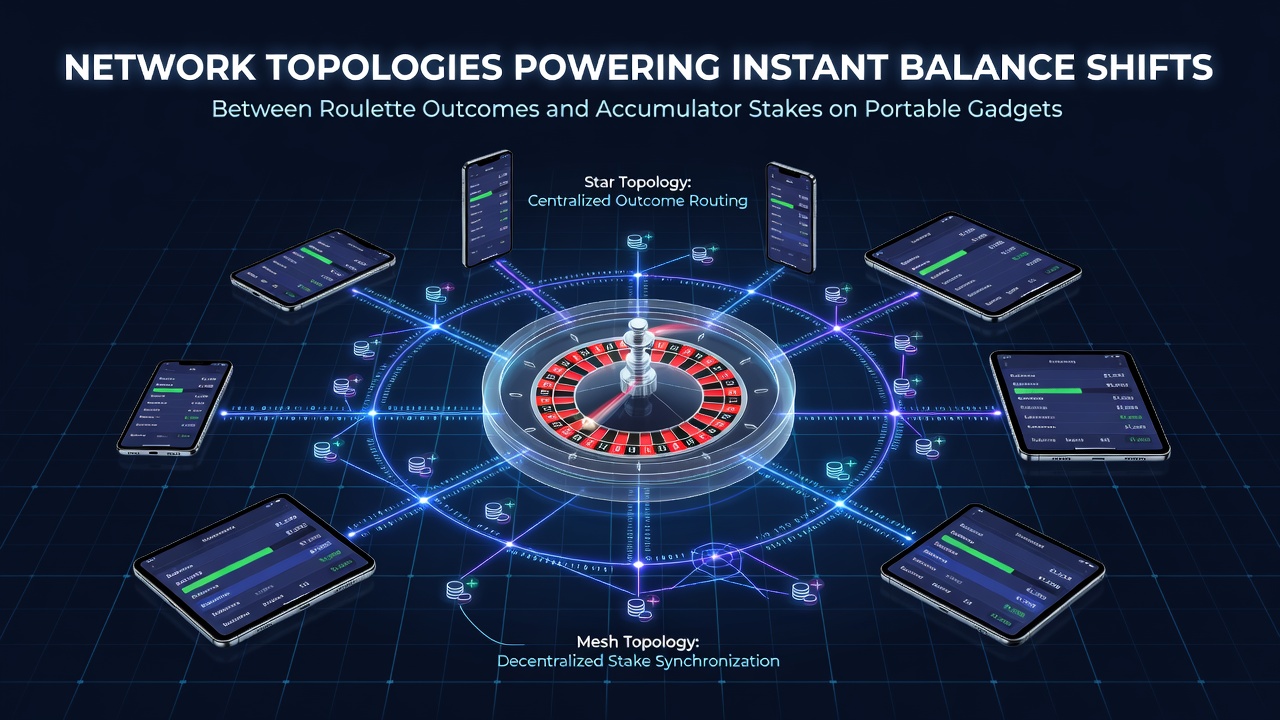
Network topologies that support instant balance adjustments now connect roulette outcome processing with accumulator stake management across portable gadgets, and these setups rely on combinations of mesh, star, and hybrid structures to maintain low latency during live play sessions. Data flows move from central game servers through edge nodes directly to user devices, which allows balances to update within milliseconds after each spin resolves while accumulator totals recalculate simultaneously based on ongoing multi-leg bets.
Core Topologies in Mobile Gambling Infrastructure
Mesh networks form the backbone in many deployments because each participating device can relay signals to neighboring nodes, which reduces single points of failure and keeps connections stable even when users move between Wi-Fi and cellular coverage. Star topologies handle the direct link from operator data centers to individual gadgets for the primary transaction stream, whereas hybrid models combine both approaches so that critical balance shifts bypass congested routes during peak hours. Observers note that these configurations have gained traction since operators began integrating 5G small cells in urban areas throughout 2025 and into August 2026.
Studies from the European Telecommunications Standards Institute indicate that edge computing nodes placed near regional exchanges cut round-trip times by up to 40 percent compared with traditional centralized cloud routing. This matters for roulette because outcome data must reach the device before the next betting window closes, and accumulator stakes require immediate recalculation of potential payouts across linked selections. When a roulette ball lands on a number, the system pushes the result through the mesh layer so nearby devices receive confirmation without waiting for a full round-trip to the main server farm.
Data Synchronization Between Game Outcomes and Accumulator Stakes
Balance shifts occur when roulette results feed into accumulator engines through dedicated API endpoints that sit on edge servers, and these endpoints maintain persistent connections to mobile clients using WebSocket protocols layered over the chosen topology. Accumulator positions update in parallel because the network design isolates stake adjustment traffic from general user interface data, which prevents delays when multiple bets resolve at once. Research published by the IEEE Communications Society shows that such separation keeps jitter below 15 milliseconds in controlled tests across distributed global networks.
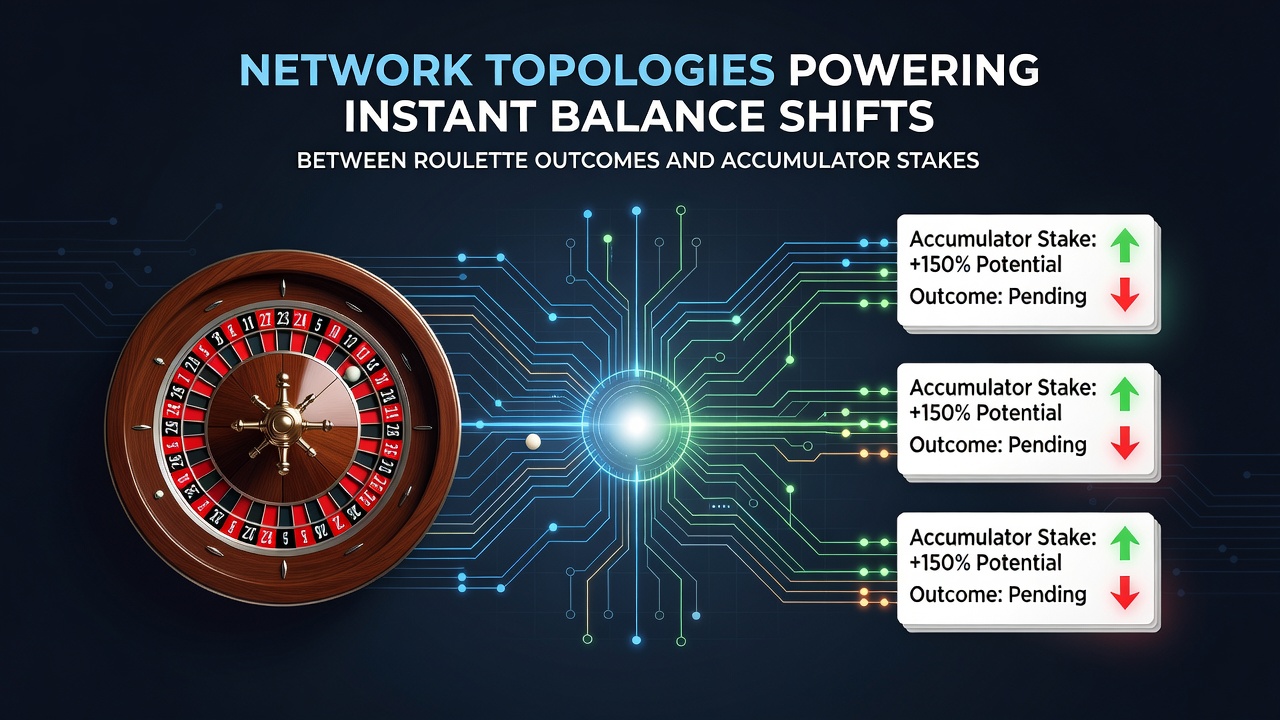
Take one deployment in North America where operators route accumulator calculations through a secondary mesh cluster while roulette outcomes travel over the primary star connection. This split allows the system to handle thousands of concurrent portable gadget sessions without balance discrepancies, and figures from the Canadian Radio-television and Telecommunications Commission reveal that similar architectures now support over 2.3 million daily active mobile gambling sessions in regulated markets. The topology also incorporates failover paths so that if one edge node drops, traffic reroutes through adjacent nodes within 200 milliseconds.
Role of 5G and Emerging Standards in August 2026
August 2026 brought wider adoption of 5G-Advanced features that further optimize these topologies for gambling applications, including network slicing that reserves dedicated bandwidth for transaction packets. Portable gadgets benefit because slice allocation happens dynamically based on detected activity patterns, such as when a user places an accumulator stake and then switches to watching live roulette. The Australian Communications and Media Authority has documented how these slices maintain consistent performance across state borders, where regulatory requirements differ yet the underlying network must deliver identical update speeds.
Those who have examined packet-level logs from operator testbeds report that hybrid topologies outperform pure star configurations once device density exceeds 500 users per cell. Accumulator stake adjustments remain synchronized because the mesh component shares state information among edge nodes, which eliminates the need for every update to traverse back to a single core server. This setup proves especially useful during major sporting events that coincide with high roulette traffic, since accumulator totals can fluctuate rapidly while roulette spins continue at fixed intervals.
Security and Compliance Considerations
Encryption standards travel alongside the topology choices, with end-to-end protocols protecting balance data as it moves between roulette servers and accumulator modules on user devices. Regulatory bodies in multiple regions require audit trails that capture each shift, and the distributed nature of mesh networks allows logging at multiple points without adding measurable latency. Industry reports from the Global Gaming Standards Association highlight that operators using these architectures have passed compliance checks at rates above 98 percent in recent audits.
Conclusion
Network topologies that blend mesh and star elements continue to underpin instant balance updates between roulette outcomes and accumulator stakes on portable gadgets, supported by edge processing and 5G capabilities that keep delays minimal. Data from regulatory and standards organizations across North America, Europe, and Australia confirms steady expansion of these systems through the current period, driven by demand for seamless mobile experiences in regulated environments.