10 Jul 2026
Mapping User Journey Flows Across Seamless Multi-Channel Wagering Experiences
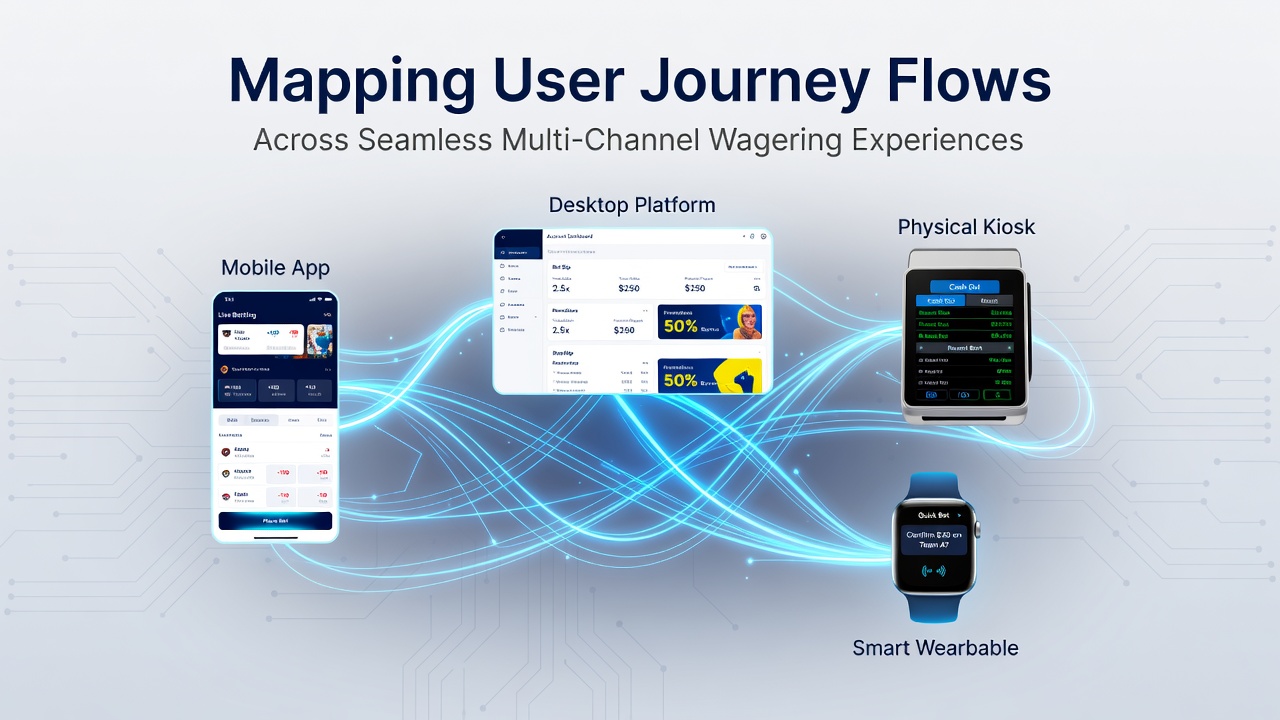
Operators track how individuals move between mobile apps, desktop sites, and venue-based terminals while placing wagers on sports, table games, and other offerings. Mapping these paths reveals where users switch devices, when they pause activity, and which features keep sessions active across different access points. Data collected at each stage shows patterns in login frequency, bet selection sequences, and deposit timing that help refine platform connections.
Core Elements of Journey Mapping in Wagering Environments
Analysts break journeys into stages that start with discovery through marketing channels and extend through account creation, initial deposits, repeated betting sessions, and eventual cashouts. Each stage generates logs that capture device type, location signals, and session duration, and these logs feed into unified profiles that follow users as they transition from one interface to another. Researchers at several North American gaming associations note that consistent identifier systems allow platforms to recognize the same account whether it appears on a smartphone during a commute or on a laptop at home.
Touchpoints include push notifications that prompt users to complete unfinished bets, in-app live odds updates that sync with desktop dashboards, and kiosk terminals at physical locations that mirror online balances. Mapping software records the sequence of these interactions and flags friction points such as repeated authentication requests or mismatched wallet balances that interrupt flow. Operators then adjust backend connections so that updates appear simultaneously on every linked channel.
Technologies Supporting Continuous Data Exchange
Cloud-based identity services maintain session states that persist when a user closes one device and opens another. APIs handle real-time synchronization of odds, account balances, and open bets while encryption protocols protect transaction details during transfer. Edge servers positioned near major user clusters reduce latency during high-volume events such as major league playoffs, and this setup keeps live updates responsive across networks. Studies from European research centers indicate that platforms employing these distributed systems record fewer abandoned sessions during peak hours.
One operator in Australia integrated location-aware services with account profiles to adjust available markets based on regional rules without requiring users to restart their sessions. The system detects the change in access point and applies corresponding filters automatically. Similar implementations appear in Canadian provincial frameworks where regulatory reporting requires precise logging of each channel transition for compliance audits.
Integration of Preference Data and Reward Allocation
Platforms collect signals about preferred bet types, stake ranges, and timing habits to tailor promotions that appear at the right moment in the journey. When a user moves from a mobile quick-bet interface to a desktop analysis tool, stored preferences travel with the account so that recommended markets remain consistent. Reports issued by state-level gaming control boards in the United States document how these linked datasets improve retention metrics by aligning offers with observed behavior across channels.
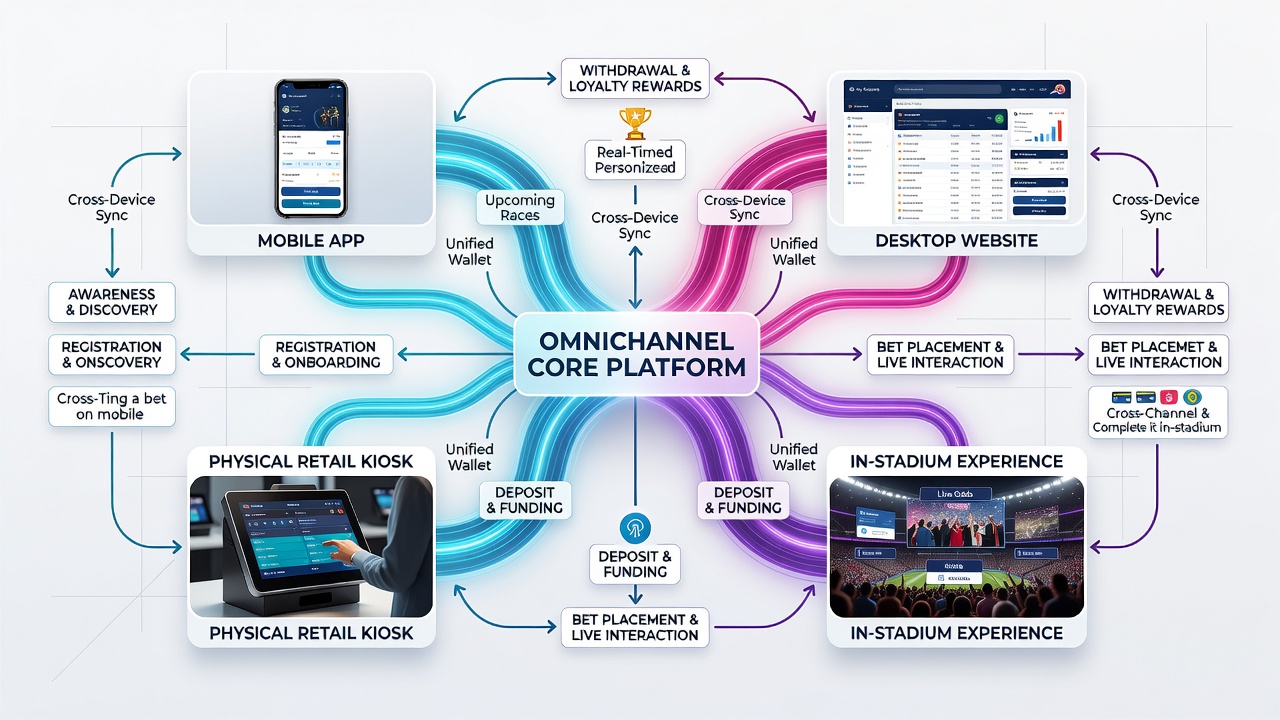
July 2026 figures from several multi-state operators show that accounts using synchronized profiles complete an average of 18 percent more transactions per month compared with single-channel accounts. The data stems from aggregated transaction records that exclude personally identifiable information yet still track movement patterns between interfaces. Industry groups such as the American Gaming Association publish periodic summaries that highlight these cross-channel activity trends without releasing proprietary operator details.
Addressing Regulatory and Security Requirements
Mapping tools must satisfy data-protection rules that vary by jurisdiction, and operators maintain separate audit trails for each region while keeping a unified view for internal analysis. Australian authorities require detailed records of how user location data influences available products, whereas certain U.S. tribal gaming commissions focus on responsible gambling triggers that activate uniformly across devices. Compliance teams map these requirements onto the same journey diagrams used for product optimization so that regulatory checkpoints appear as natural steps rather than separate processes.
Encryption standards and access controls limit exposure during data handoffs between channels, and penetration testing occurs at regular intervals to verify that session tokens remain valid only for authorized transitions. Observers at academic centers studying digital commerce note that these layered safeguards reduce the surface area for unauthorized access while preserving the seamlessness users expect.
Conclusion
Comprehensive mapping of user journeys across wagering channels supplies operators with the visibility needed to maintain continuous experiences that follow individuals from initial discovery through ongoing engagement. The combination of synchronized identity systems, real-time APIs, and region-specific compliance layers creates a framework where data flows support both operational efficiency and regulatory adherence. As platforms continue to expand device coverage, the diagrams and metrics that track these movements remain central to understanding how users interact with integrated wagering environments.