Mobile Engagement Patterns Fuel Adaptive Rewards and Table Game Variant Suggestions
Otto Günther · Aug 2, 2026
Mobile Engagement Patterns Fuel Adaptive Rewards and Table Game Variant Suggestions
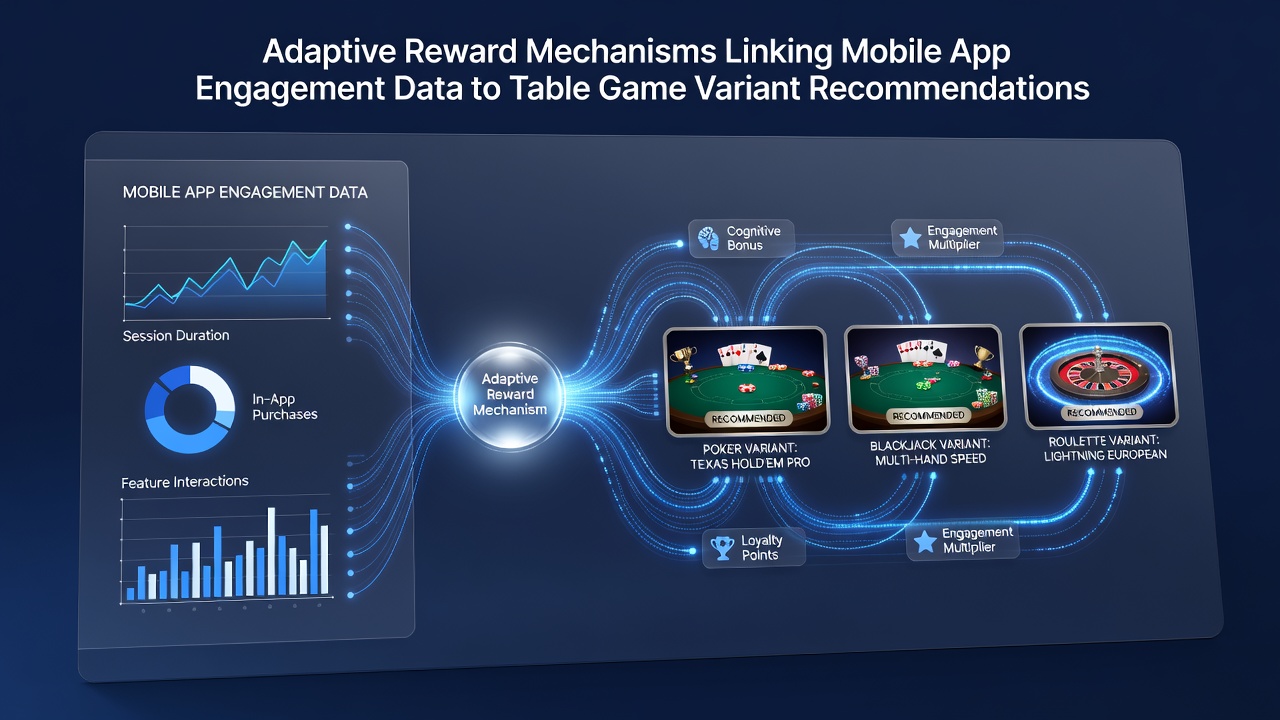
Operators now integrate mobile app engagement data directly into reward systems that generate personalized table game variant suggestions, and this approach has gained traction across multiple jurisdictions since early 2025. Data points such as session duration, feature interaction frequency, and navigation paths feed into algorithms that adjust reward allocations while steering users toward specific variants like speed blackjack or multi-wheel roulette.
Data Collection Through Mobile Platforms
Apps record user actions in real time, including how long players linger on variant selection screens and which bonus features they activate most often. Researchers at institutions including the University of Nevada, Reno have documented how these metrics correlate with retention rates when linked to reward triggers. Engagement logs from August 2026 show increased activity in apps that deployed adaptive models, with session lengths rising by measurable margins compared to static systems.
Operators combine location signals, device type, and time-of-day patterns to refine the data pool, and this layered input allows reward mechanisms to respond dynamically. For instance, users who frequently engage with tutorial modules receive prompts for variants that emphasize strategic elements, whereas those favoring quick spins see suggestions for faster-paced options.
Linking Rewards to Variant Recommendations
Adaptive reward mechanisms allocate free spins, cashback percentages, or loyalty points based on engagement thresholds, then route those incentives toward particular table game variants. The process works by matching user behavior clusters to variant profiles that historically produce higher completion rates within similar cohorts. Data indicates that when rewards tie directly to recommended variants, conversion from suggestion to active play increases without requiring additional promotional spend.
One documented case involved an operator adjusting reward tiers mid-month after reviewing engagement heatmaps, and the shift produced a measurable uptick in play across three distinct variants. Systems avoid blanket promotions by narrowing the scope to variants that align with observed preferences, which reduces dilution of reward value across the full game library.
Implementation Across Global Markets
North American platforms have incorporated these mechanisms at a faster rate than some European counterparts, according to reports from the American Gaming Association. Meanwhile, Australian operators have tested similar frameworks under state-level oversight, focusing on responsible play parameters that cap reward frequency. The models differ by region yet share core logic that processes engagement signals into variant-specific nudges.
August 2026 brought updates to several major apps that refined the timing of reward delivery, and early figures reveal tighter alignment between user activity peaks and variant suggestions. Technical teams achieve this by running continuous A/B tests on reward structures, then feeding results back into the recommendation engine within days rather than weeks.
Technical Architecture and Privacy Considerations
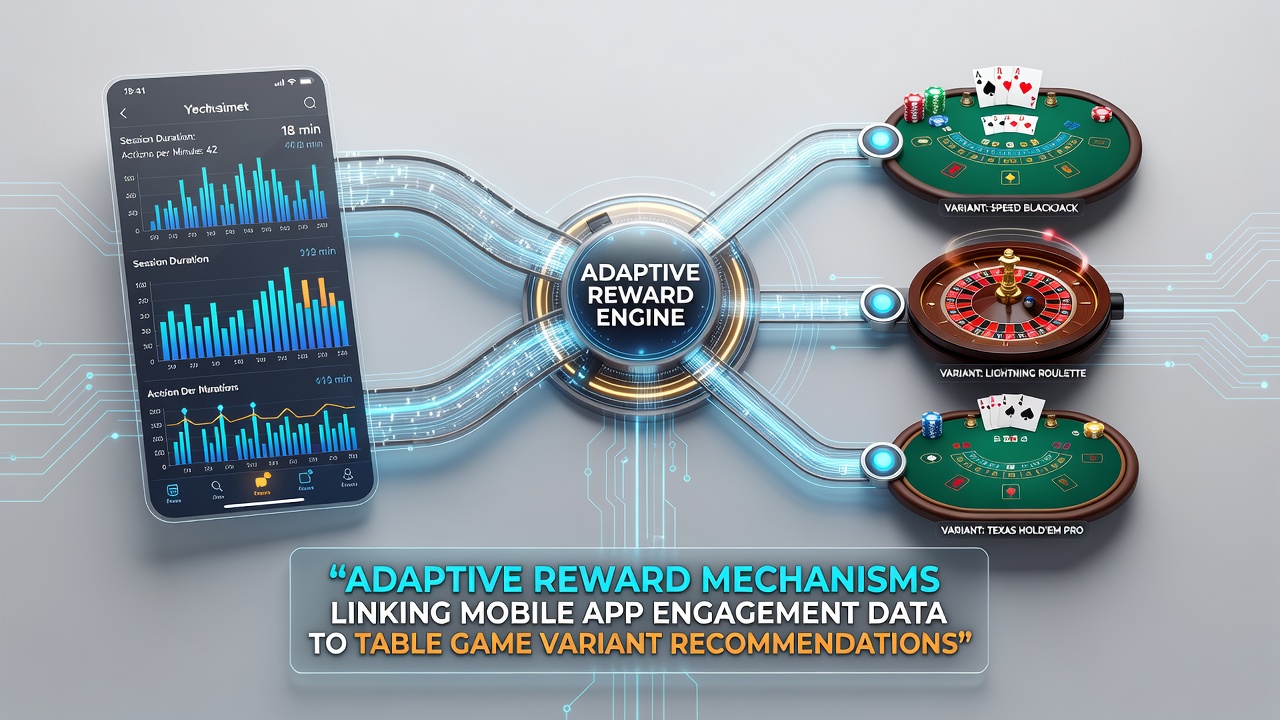
Cloud-based processing handles the volume of mobile data streams, while edge computing components filter sensitive information before it reaches central servers. Industry reports highlight that encryption protocols and anonymization layers now form standard components of these architectures, satisfying requirements set by multiple regulatory bodies. Observers note that successful deployments maintain audit trails that allow independent verification of how engagement data translates into reward decisions and variant prompts.
Variants receive weighting scores derived from aggregate behavior rather than individual identifiers in many implementations, and this aggregation step helps address privacy standards. When a user completes a session, the system updates cluster profiles that inform future recommendations without storing raw session data long term.
Performance Metrics and Adjustments
Key performance indicators include recommendation acceptance rate, average time to first play after suggestion, and subsequent engagement depth within the chosen variant. Platforms that publish periodic summaries show these metrics improving after iterative model updates, particularly when operators incorporate feedback loops from actual play outcomes. External analyses from research groups have confirmed that adaptive systems outperform fixed reward schedules on these measures across comparable user bases.
Adjustments occur through scheduled reviews that examine shifts in engagement patterns, and operators apply changes to reward multipliers or variant priority lists accordingly. This cycle repeats at intervals that balance responsiveness with system stability.
Conclusion
Adaptive reward mechanisms continue to evolve as mobile engagement data becomes more granular and table game variant libraries expand. Integration of these elements produces recommendation flows that respond to observed behavior while operating within established regulatory frameworks across different regions. Ongoing technical refinements and cross-jurisdictional comparisons will shape how these systems develop in subsequent periods.