17 May 2026
Seasonal Tie-Ins: How Major Sporting Events Drive Allocated Free Play in Integrated Gambling Platforms
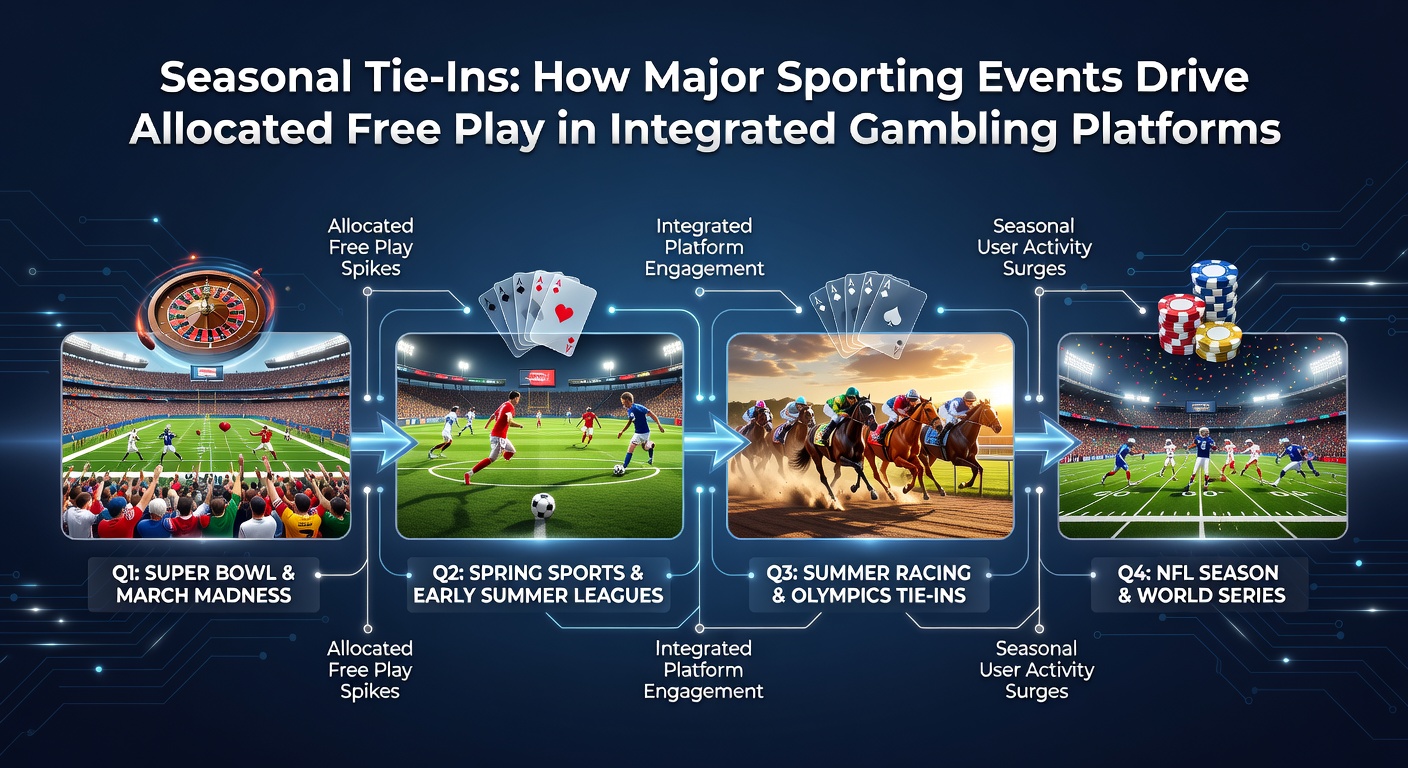
Major sporting events create predictable spikes in platform activity, and operators respond with targeted free play allocations that integrate directly into user accounts across sportsbooks and casino sections. These promotions often appear as bonus bets or credits that activate only during specific windows, such as conference tournaments or championship weeks, allowing seamless redemption whether users place wagers on mobile apps or desktop interfaces.
Mechanics Behind Event-Driven Allocations
Integrated platforms track betting volume in real time and release free play credits when thresholds tied to events are met, so a user depositing during the NBA playoffs might receive credits that apply to both live game bets and table game sessions without separate logins or transfers. Data from industry reports shows these allocations increase deposit frequency by linking rewards to high-profile matchups, while the system automatically adjusts limits based on user history and event calendars.
Operators coordinate with leagues and data providers to time releases precisely, which means credits for March Madness brackets become available days before the first tip-off and expire shortly after the final game. This approach keeps capital circulating within the platform because free play often converts to real-money wagers once users engage with additional markets.
Platform Integration and User Flow
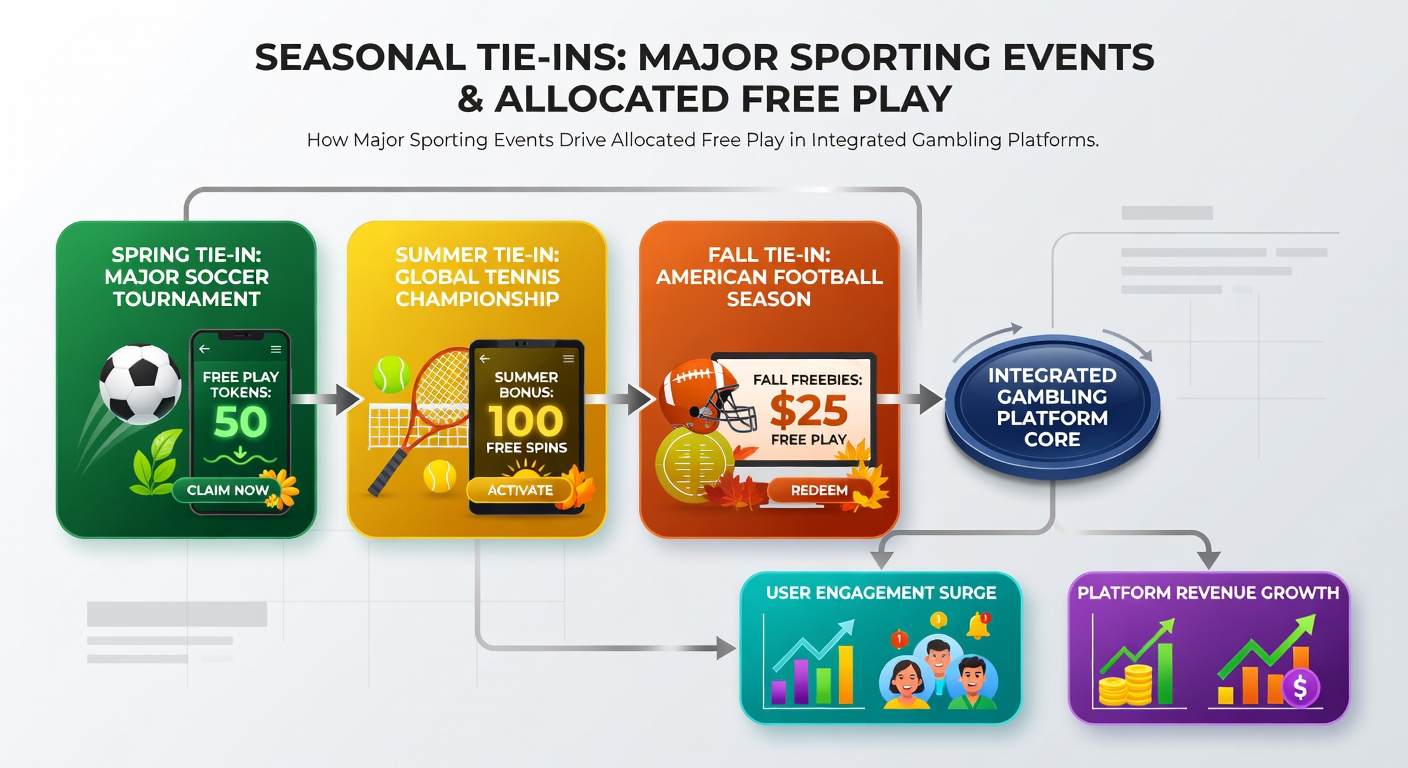
Users experience these tie-ins through unified wallets that recognize event-based triggers, so a free play allocation earned on a Super Bowl prop bet can transfer instantly to other verticals like slots or virtual sports. The architecture relies on backend APIs that flag seasonal campaigns and push notifications only to eligible accounts, reducing friction and encouraging continued play across the entire ecosystem.
One study released by researchers at the University of Nevada examined transaction logs from multiple states and found that integrated free play tied to college football bowl season produced measurable upticks in cross-product activity, with many accounts moving from sports to casino games within the same session. Platforms maintain audit trails for these movements to satisfy state reporting requirements.
Regulatory Context and Compliance Patterns
State regulators monitor how free play promotions align with advertising standards, particularly when campaigns reference specific events like the Kentucky Derby or international soccer tournaments. Compliance teams review allocation rules to ensure they do not create unfair advantages, and operators submit periodic filings that detail total credits issued adn redemption rates during peak periods.
In May 2026 several jurisdictions are expected to review updated guidelines on promotional mechanics ahead of the summer sports calendar, including potential adjustments to how platforms disclose expiration dates for event-linked credits. These reviews build on existing frameworks from bodies such as the New Jersey Division of Gaming Enforcement and similar agencies in other regions that emphasize transparency in bonus structures.
Market Data and Observed Trends
Figures released by the American Gaming Association indicate that promotional spend rises sharply in quarters containing major events, with free play representing a growing share of that spend because it encourages repeat engagement without direct cash outlays. Platforms that combine sports and casino offerings report higher retention when allocations are event-specific rather than generic, as users associate the credits with memorable games or series.
Take the case of operators preparing for international cricket tournaments, where allocated credits are often restricted to users who first place a qualifying bet on the opening match, then become available for other games within the same app ecosystem. Observers note that this sequencing helps control liability while still driving volume across multiple betting categories.
Conclusion
Seasonal sporting events continue to shape how integrated platforms structure free play, creating cycles where allocations appear and disappear in coordination with league schedules and regulatory calendars. The result is a system that ties user rewards directly to high-interest periods, maintains compliance through detailed reporting, and leverages unified account systems to keep activity flowing across different game types. As calendars advance into 2026 and beyond, these mechanisms will likely evolve alongside new data tools and oversight requirements while preserving the core connection between major events and promotional incentives.