26 Jun 2026
Tracing the Evolution of Voice-Activated Interfaces in Interactive Table Game Environments Across Multiple Jurisdictions
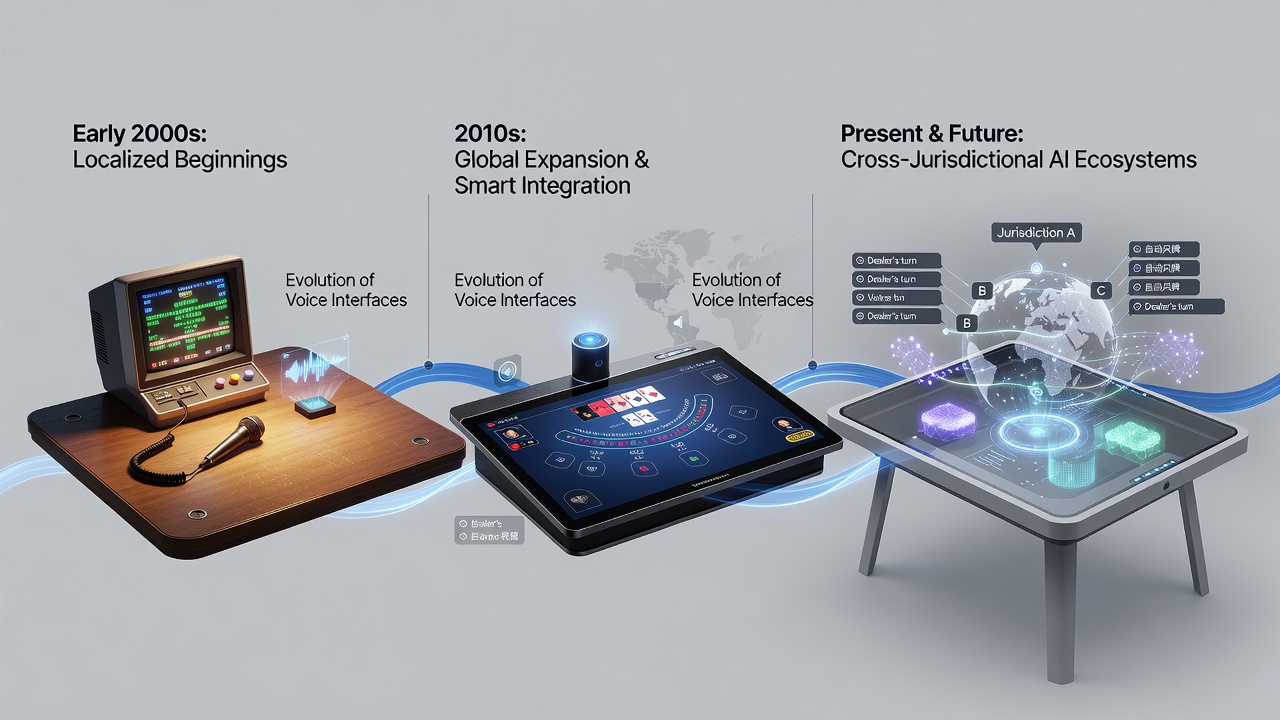
Voice-activated interfaces first entered interactive table game environments during teh mid-2010s when developers began experimenting with speech recognition in digital platforms for games such as blackjack and roulette, and initial systems relied on basic command structures that allowed players to place bets through spoken instructions while operators monitored accuracy through backend analytics. These early implementations appeared primarily in North American online platforms where regulatory frameworks in states like Nevada and New Jersey permitted controlled trials of new interface technologies.
By 2018 several operators across Canadian provinces had started incorporating similar voice features into their table game offerings, and data from industry reports showed gradual adoption rates that increased as natural language processing improved. Researchers at academic institutions documented how these interfaces reduced physical touchpoints on shared devices, which proved useful in multi-player sessions conducted over distributed networks.
Expansion Across European and Asian Markets
European jurisdictions including Malta and the Isle of Man introduced guidelines that addressed voice command verification methods around 2020, which required operators to implement multi-factor authentication alongside spoken inputs to maintain security standards. Meanwhile markets in Australia saw parallel developments where state-level regulators examined how voice interfaces could integrate with existing electronic table game systems without compromising player identification protocols.
One study revealed that operators in these regions tested voice systems in simulated environments before full deployment, and findings indicated improved response times when combined with edge processing techniques that handled commands locally rather than routing everything through central servers. Observers note that these tests often occurred in partnership with technology providers specializing in multilingual support, since many jurisdictions demanded compatibility with regional dialects and languages.
Key Technological Milestones Through 2024
Advancements accelerated between 2021 and 2024 when machine learning models trained on diverse speech patterns enabled more accurate interpretation of commands in noisy environments typical of live dealer setups. Platforms began supporting contextual commands where players could reference previous bets or request game statistics through natural phrasing, and this shift coincided with broader adoption of cloud-based synchronization that maintained consistent experiences across mobile and desktop devices.
In the United States, the National Institute of Standards and Technology published frameworks that addressed voice biometric verification in gaming contexts, which several state regulators adopted as reference points for compliance. Data shows that by late 2024 more than a dozen licensed operators in Atlantic City and Las Vegas markets had deployed voice-enabled table interfaces on a trial basis, with usage metrics tracked through anonymized session logs.
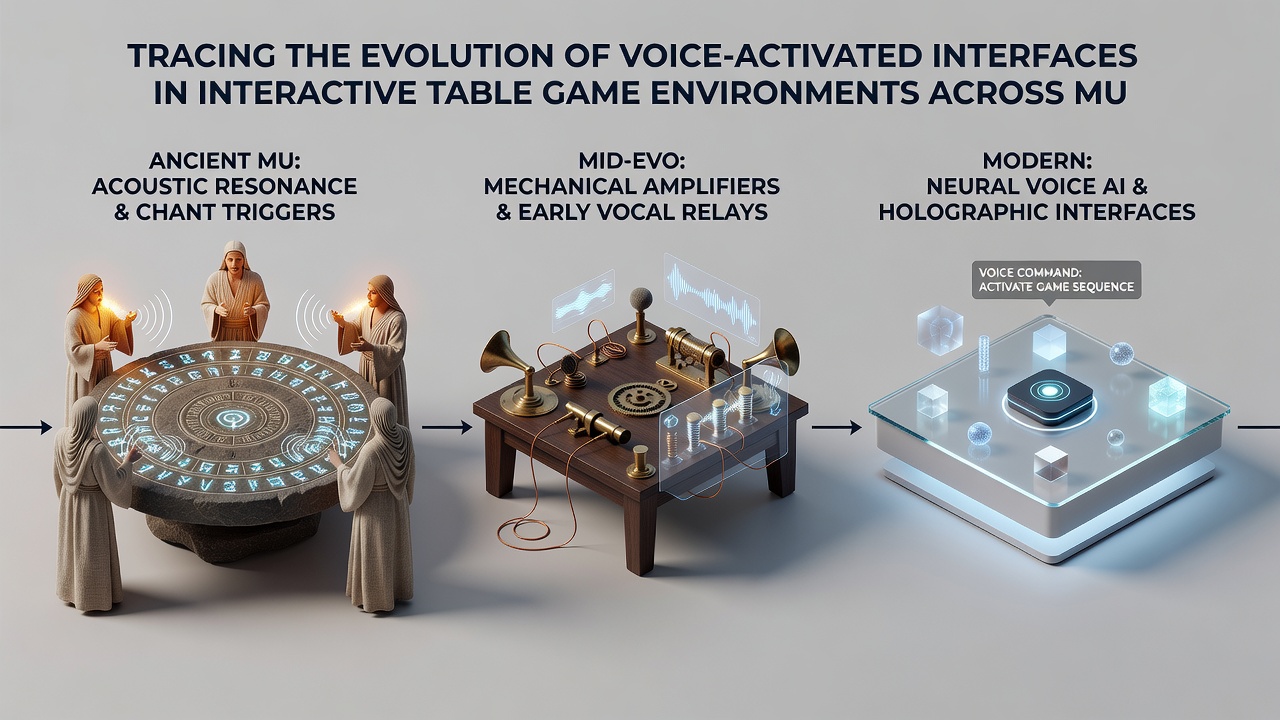
Asian jurisdictions followed distinct paths, with Singapore's regulatory body emphasizing strict data localization requirements for voice recordings collected during gameplay. Macao authorities conducted reviews of interface security in 2023 that led to updated technical specifications for voice encryption, and operators adjusted their systems accordingly to meet these standards while preserving low-latency performance during peak hours.
Regulatory Developments and Cross-Border Considerations
By early 2025 multiple jurisdictions had established working groups to harmonize voice interface standards, and these efforts focused on issues such as consent mechanisms for voice data storage plus audit trails that regulators could access during compliance checks. Australian state regulators collaborated with industry associations to produce guidelines that specified minimum accuracy thresholds for speech recognition in gaming applications, and operators reported iterative improvements after incorporating user feedback from controlled beta programs.
What's interesting is how these frameworks evolved differently depending on local priorities, since some regions prioritized accessibility features that allowed voice commands to assist players with mobility limitations while others concentrated on fraud prevention through continuous voiceprint analysis. Figures from regulatory filings indicate steady growth in the number of approved voice-enabled titles available to players across permitted markets.
Current Landscape as of June 2026
In June 2026 regulators in several North American and European markets released updated compliance checklists that incorporated lessons from recent large-scale deployments of voice interfaces in live table environments, and these documents highlighted requirements for real-time command logging alongside periodic system audits. Operators responded by refining their backend infrastructure to support hybrid models that combined on-device processing with secure cloud verification, which helped address latency concerns reported in earlier implementations.
Research from university-affiliated labs continued to examine how accent variability and background noise affected recognition rates, and preliminary results suggested that targeted training datasets improved performance across diverse player populations. Those who've studied deployment patterns across jurisdictions observe that successful rollouts often depended on close coordination between software developers, gaming operators, and oversight bodies to align technical capabilities with legal obligations.
Conclusion
The progression of voice-activated interfaces in interactive table game environments reflects coordinated advances in technology alongside evolving regulatory expectations across multiple regions, and ongoing work continues to refine accuracy, security, and accessibility features. Data indicates sustained interest from operators seeking to differentiate their offerings while meeting jurisdiction-specific requirements, and future developments will likely build on the foundational standards established through 2026.