28 Jun 2026
Uncovering the Mechanics of Dynamic Difficulty Scaling in Progressive Jackpot Slot Systems

Progressive jackpot slot systems operate through interconnected networks where contributions from multiple machines feed a shared prize pool that grows continuously until triggered, and dynamic difficulty scaling introduces algorithms that modify game parameters in response to pool size, player activity levels, and historical payout data. Operators deploy these systems to maintain target return-to-player percentages even as jackpots reach substantial figures, which requires precise adjustments to reel weights, bonus trigger frequencies, and volatility settings.
Core Components of Progressive Networks
Each machine in a progressive setup allocates a small percentage of every wager to the growing jackpot while the base game runs on independent random number generators calibrated for standard play. Data from network operators shows that when pools exceed certain thresholds, scaling mechanisms activate to recalibrate hit rates for bonus features and top-tier symbols, which prevents disproportionate payouts that could destabilize operator margins. Researchers at institutions such as the International Gaming Institute have documented how these recalibrations occur in discrete intervals rather than continuously, allowing systems to process aggregated session data before implementing changes.
June 2026 reports from multiple North American jurisdictions indicated that progressive networks processed over 2.4 billion individual spins across linked machines in a single month, with scaling protocols engaging on approximately 18 percent of those sessions once pools surpassed predefined benchmarks. The adjustments focus primarily on reducing the probability of high-value symbol combinations while increasing mid-tier outcomes to sustain player engagement without accelerating jackpot depletion.
Algorithmic Adjustments in Practice
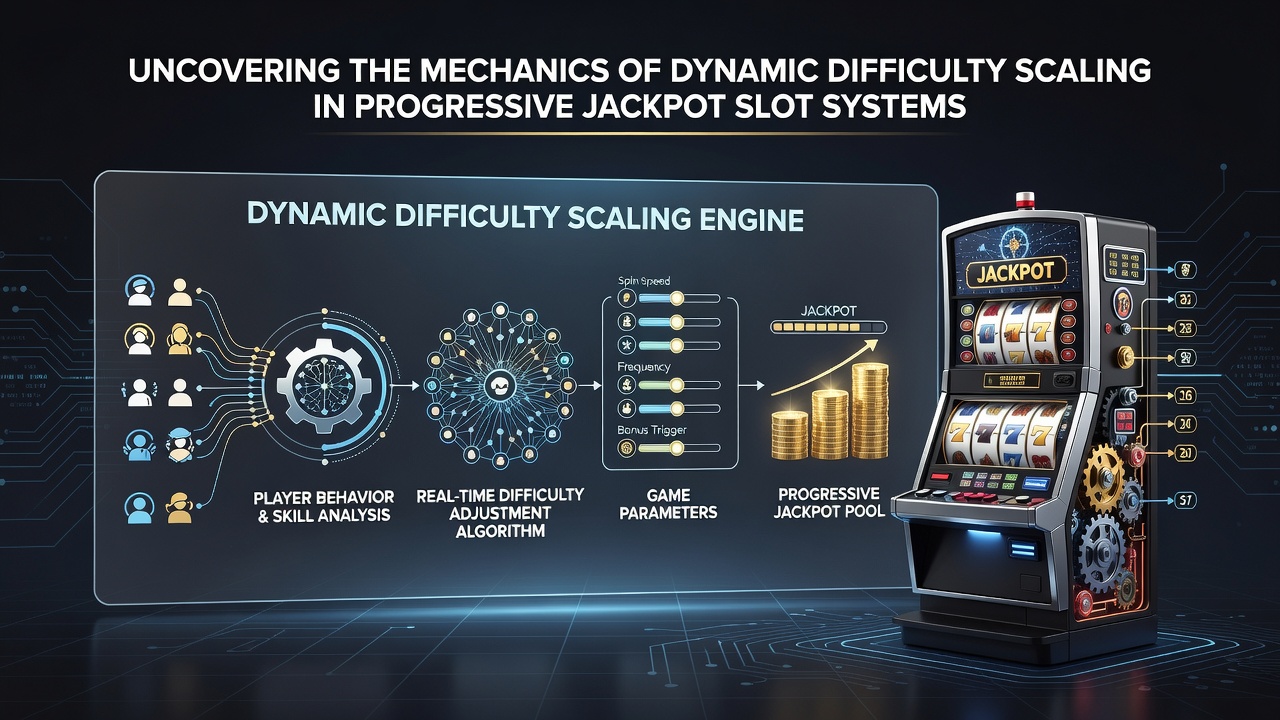
Dynamic scaling relies on layered decision trees that evaluate current pool size against expected contribution rates and recent payout velocity. When a jackpot climbs rapidly due to high traffic, the system increases the virtual reel positions assigned to lower-paying symbols and extends the range required for bonus entry triggers, which effectively raises short-term difficulty. Conversely, during slower periods when pools stagnate, algorithms ease certain parameters to encourage continued play and restore contribution momentum.
Engineers implement these changes through server-side commands that push updated probability tables to individual terminals without interrupting active sessions. Observers note that the process typically completes within milliseconds, ensuring seamless transitions from the player perspective. Technical documentation reviewed by regulatory auditors confirms that all scaling events remain logged with timestamps and parameter sets, enabling post-session verification of compliance with approved return-to-player ranges.
Integration with Player Behavior Metrics
Advanced implementations incorporate real-time session analytics that track average bet sizes, spin frequency, and duration across geographic clusters. When data patterns indicate declining participation, scaling routines may temporarily elevate certain bonus frequencies to re-engage users while the core progressive contribution rate stays fixed. Australian regulatory filings from the same period revealed that operators using behavior-linked scaling recorded a 7 percent increase in average session length compared with static configurations during comparable jackpot cycles.
These metrics feed into broader risk models that forecast pool trajectories under varying traffic conditions, allowing operators to schedule promotional boosts or machine reallocations ahead of anticipated slowdowns. The approach combines historical datasets spanning multiple years with live inputs, producing predictive adjustments that maintain equilibrium between player retention and financial stability.
Regulatory Oversight and Verification Processes
Gaming control boards in multiple jurisdictions require pre-approval of scaling algorithms before deployment, with mandatory submission of source code and test results demonstrating that all adjusted states remain within licensed mathematical parameters. The Nevada Gaming Control Board, for instance, mandates quarterly audits that sample scaling events across progressive titles to confirm adherence to approved ranges. Similar frameworks in Canadian provinces and several European markets impose parallel documentation standards that emphasize transparency in how difficulty modifications occur.
Verification tools employed by regulators include sandbox environments that simulate extended play periods under controlled pool-growth scenarios, which allows auditors to observe scaling triggers without exposing live operations to risk. Data logs generated during these tests become part of permanent compliance records that support future license renewals and dispute resolutions.
Conclusion
Dynamic difficulty scaling in progressive jackpot systems represents a sophisticated intersection of network architecture, algorithmic control, and regulatory compliance that enables operators to manage expanding prize pools while preserving game integrity. Continued refinement of these mechanisms, driven by advances in data processing and cross-jurisdictional standards, shapes how such titles evolve within the broader gaming landscape.