Wearable Sensors Reshaping Video Slot Dynamics Through Real-Time Volatility Adjustments
Greta Koch · Aug 25, 2026
Wearable Sensors Reshaping Video Slot Dynamics Through Real-Time Volatility Adjustments
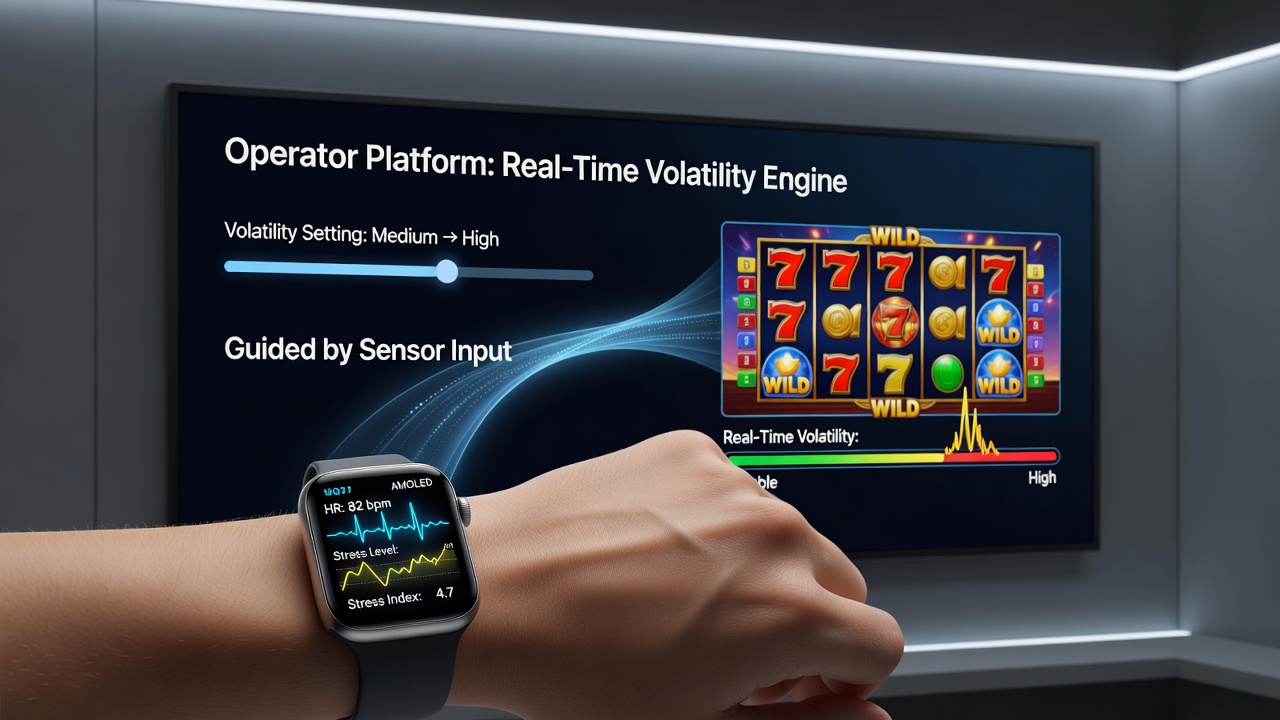
Operators across multiple jurisdictions have started integrating wearable sensor data into video slot systems to enable dynamic volatility shifts during active play sessions. Heart rate monitors, skin conductance readers, and motion sensors from consumer devices feed continuous streams into backend algorithms that recalibrate reel behavior, bonus trigger frequencies, and payout dispersion on the fly. These adjustments occur without interrupting the player interface, creating a closed loop where biometric signals influence game mathematics in real time.
Core Technical Integration Process
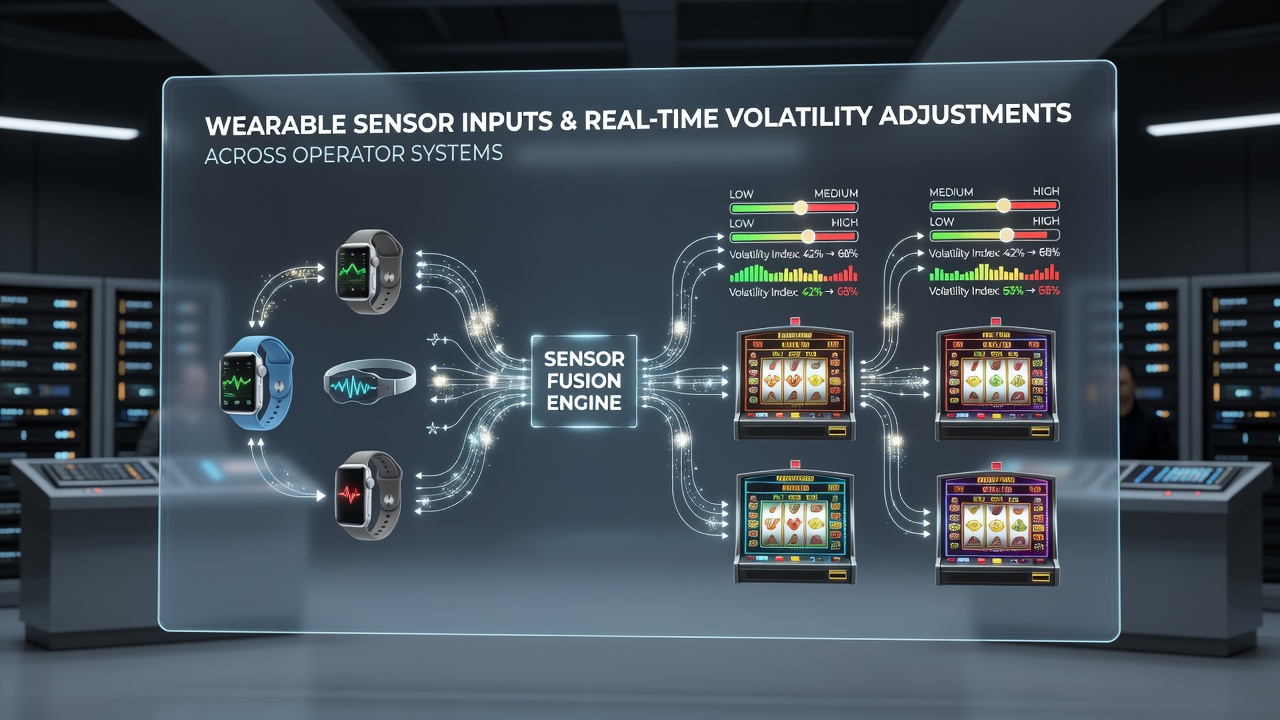
Platform providers establish API connections between wearable ecosystems and slot management servers, allowing data packets containing pulse variability, galvanic skin response, and accelerometer readings to arrive at intervals as short as every two seconds. Once received, the system applies threshold rules that either increase or decrease volatility parameters, such as expanding the range of symbol combinations that produce mid-tier wins or tightening the hit rate on progressive features. Developers have documented these mappings in technical specifications released during industry conferences held in early 2026, showing how elevated arousal indicators often prompt a shift toward lower volatility modes while steady readings permit broader variance.
Platform-Wide Deployment Patterns
Major operators serving North American and European markets have rolled out pilot programs that connect common fitness trackers directly to their slot libraries. In one documented rollout completed before August 2026, a multi-state network synchronized sensor inputs across more than 180,000 remote player accounts, resulting in measurable changes to session length metrics tracked by the same platforms. The process relies on encrypted token exchange rather than raw personal health records, satisfying data minimization standards required by privacy regulations in those regions. Observers note that this architecture allows the same player profile to receive different volatility settings when switching between devices or locations, because the sensor stream travels with the authenticated session rather than remaining tied to a single terminal.
Research published through academic partnerships indicates that these adjustments can alter the distribution of outcomes within defined confidence intervals, yet the underlying random number generator continues to operate under certified fairness parameters. Regulatory bodies such as the Nevada Gaming Control Board have reviewed test logs from early implementations and confirmed that mathematical integrity remains intact even as volatility curves flex according to external inputs.
Data Flow and Security Considerations
Information travels through secure channels that separate identity tokens from biometric values, preventing any single operator database from holding complete health profiles. Middleware layers handle the conversion of raw sensor output into normalized scores that slot engines interpret as volatility modifiers. Case studies shared at 2026 trade events describe how one European operator reduced average dispute rates after introducing these controls, because sessions ending during detected stress spikes automatically transitioned to gentler payout patterns. The same reports detail fallback mechanisms that revert settings to baseline configurations whenever sensor connectivity drops below a predefined threshold.
Cross-Operator Compatibility Efforts
Industry groups have begun drafting common data schemas so that a sensor signal generated on one platform can influence volatility settings when a player migrates to another operator within the same regulatory market. These schemas define standardized fields for arousal level, session duration, and recent outcome history, allowing consistent responses across different game libraries. Testing conducted through joint working groups has verified that latency remains under 150 milliseconds when the sensor data traverses regional data centers, a figure that keeps adjustments imperceptible during normal play. Figures from the Gaming Standards Association show increasing adoption of these schemas among member companies since the middle of 2025.
Conclusion
Integration of wearable sensor inputs into video slot volatility management continues to expand across operator platforms as technical standards mature and regulatory reviews confirm compliance pathways. The approach links biometric streams directly to game mathematics while preserving certified randomness and player data protections. Continued documentation from oversight agencies and standards organizations will determine the scope of future deployments.